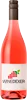
Winery Blue GrouseQuill Rosé
 Pink wine



This wine generally goes well with
Wine flavors and olphactive analysis

On the nose the Quill Rosé of Winery Blue Grouse in the region of British Columbia often reveals types of flavors of citrus fruit, red fruit.
Details and technical informations about Winery Blue Grouse's Quill Rosé.
Discover the grape variety: Prior
Interspecific cross between Freiburg 4-61 (23-416 Joannès-Seyve x pinot noir) and Bronner made in 1987 by Norbert Becker of the Freiburg Research Institute in Germany. It has the particularity of having only one gene for resistance to mildew and powdery mildew. It can be found in Germany, but also in Switzerland, Belgium, ... and in France.
Last vintages of this wine
The best vintages of Quill Rosé from Winery Blue Grouse are 2018, 2017, 0
Informations about the Winery Blue Grouse
The Winery Blue Grouse is one of of the world's greatest estates. It offers 13 wines for sale in the of Vancouver Island to come and discover on site or to buy online.

The wine region of Vancouver Island
The wine region of Vancouver Island is located in the region of British Columbia of Canada. Wineries and vineyards like the Domaine Averill Creek or the Domaine Cherry Point Estate Wines produce mainly wines white, red and pink. The most planted grape varieties in the region of Vancouver Island are Pinot noir, Pinot gris and Maréchal Foch, they are then used in wines in blends or as a single variety. On the nose of Vancouver Island often reveals types of flavors of non oak, earth or microbio and sometimes also flavors of vegetal, tree fruit or citrus fruit.
The wine region of British Columbia
British Columbia is Canada's westernmost province, located on the edge of the Pacific Ocean. The diversity of landscapes here – from rainy islands to desert-like valley floors – means that a wide variety of Grapes are planted here. They include Chardonnay, Pinot Noir and Riesling, as well as Cabernet Sauvignon and Merlot. While volumes are lower than those of the province of Ontario, British Columbia is home to a rapidly growing wine industry.
The word of the wine: Phenolic ripeness
A distinction is made between the ripeness of sugars and acids and the ripeness of tannins and other compounds such as anthocyanins and tannins, which will bring structure and colour. Grapes can be measured at 13° potential without having reached this phenolic maturity. Vinified at this stage, they will give hard, astringent wines, without charm.