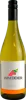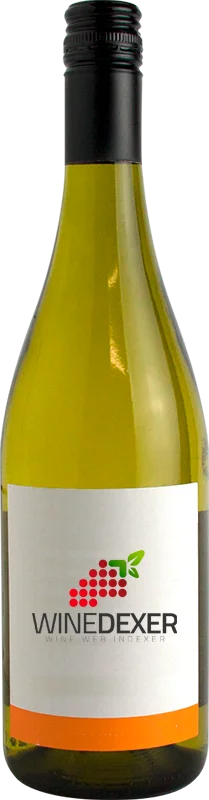
Winery Blazon DomnescȘarba
 White wine


This wine generally goes well with
The Șarba of the Winery Blazon Domnesc is in the top 40 of wines of Vrancea.
Details and technical informations about Winery Blazon Domnesc's Șarba.
Discover the grape variety: Servanin
Servanin is native to the south of Savoie and the north of Isère. Its berries are short, oval and small to medium-sized. The bunches are full, cylindrical and small, some of them winged, and the bluish-black colour at the beginning turns to dark black when the grapes reach full maturity. Then, as time goes by, small green berries are gradually added to the vine. This curtain is completed by the light green of the medium-sized leaves.servanin is fertile and robust. Its only weak points are millerandage, citadels and mildew. It is less susceptible to grey rot. Although it buds early, it ripens rather late, in the second half of the year. This liqueur, which belongs to the Vin-de-Savoie, has a medium alcoholic and somewhat acidic taste. This wine is also called martelet, servagnin or serene. Unfortunately, it is noted that this variety has nowadays practically disappeared.
Last vintages of this wine
The best vintages of Șarba from Winery Blazon Domnesc are 0
Informations about the Winery Blazon Domnesc
The Winery Blazon Domnesc is one of of the world's greatest estates. It offers 11 wines for sale in the of Vrancea to come and discover on site or to buy online.

The wine region of Vrancea
The wine region of Vrancea of Romania. Wineries and vineyards like the Domaine Bacanta or the Domaine Sigillum Moldaviae produce mainly wines red, white and pink. The most planted grape varieties in the region of Vrancea are Cabernet-Sauvignon, Feteasca neagra and Merlot, they are then used in wines in blends or as a single variety. On the nose of Vrancea often reveals types of flavors of oaky, smoke or microbio and sometimes also flavors of vegetal, citrus fruit or floral.
The word of the wine: Erinosis
Generally benign condition caused by a very small mite. The infested leaves show blisters on the upper surface, sometimes reddish, sometimes green, to which corresponds on the lower surface a dense felting, first pinkish white, then brownish or reddish.