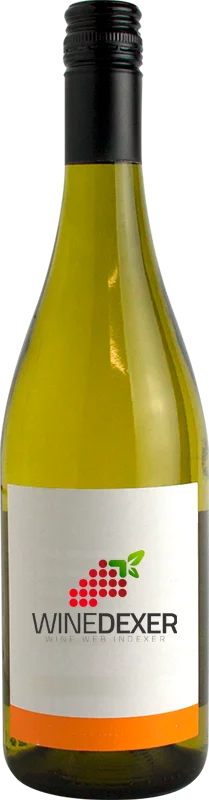
Winery Blauensteiner LeopoldGelber Muskateller
 White wine
This wine generally goes well with
Details and technical informations about Winery Blauensteiner Leopold's Gelber Muskateller.
Discover the grape variety: Oeillade noire
Probably originating in the Languedoc, oeillade Noire is known by other names such as olhada, aragnan noir, ulhat, hulliade or croque. This variety should not be confused with Cinsault, which is highly productive, producing up to 5kg per vine, and is particularly noted for its drooping habit and vigour. The black eye is a late bloomer. Oidium, mildew and grey rot are its main enemies. It requires a rather short pruning, coulure and millerandage could harm its development and the grapes it would bear. It prefers a good exposure and reaches maturity around the second half of August. Its bunches are of medium size and its fruits have a great resemblance to those of the Cinsault. They have been eaten fresh at the table for a long time. The wine produced from this variety is quite alcoholic and has a colour similar to that of a cherry. The variety is no longer multiplied and seems to be on the way out.
Informations about the Winery Blauensteiner Leopold
The Winery Blauensteiner Leopold is one of of the world's great estates. It offers 12 wines for sale in the of Wagram to come and discover on site or to buy online.

The wine region of Wagram
The wine region of Wagram is located in the region of Niederösterreich of Weinland of Austria. We currently count 93 estates and châteaux in the of Wagram, producing 680 different wines in conventional, organic and biodynamic agriculture. The wines of Wagram go well with generally quite well with dishes .
The wine region of Weinland
Weinviertel DAC – whose name translates as "wine quarter" – is an appellation in Niederösterreich (Lower Austria). It is by far the largest Districtus Austriae Controllatus wine region in Austria. It was also the first Austrian wine region to be given that title, in 2002, with a DAC Reserve designation added in 2009. The designation applies only to white wines from the Grüner Veltliner Grape variety.
The word of the wine: Cornalin
Black grape variety native to the Valais (Switzerland). It produces renowned wines of a dark purple colour with violet hues, an elegant bouquet and a powerful, fresh, fruity (cherry) and spicy palate. Cornalin wines can be drunk young or after several years of ageing, with game.