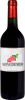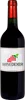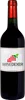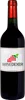
Winery BK CellarsCalifornia Cuvee
 Red wine



In the mouth this red wine is a powerful with a nice balance between acidity and tannins.
This wine generally goes well with poultry, beef or veal.

Taste structure of the California Cuvee from the Winery BK Cellars
Light | Bold | |
Smooth | Tannic | |
Dry | Sweet | |
Soft | Acidic |
In the mouth the California Cuvee of Winery BK Cellars in the region of California is a powerful with a nice balance between acidity and tannins.
Food and wine pairings with California Cuvee
Pairings that work perfectly with California Cuvee



Original food and wine pairings with California Cuvee

The California Cuvee of Winery BK Cellars matches generally quite well with dishes of beef, lamb or veal such as recipes of authentic bolognese sauce (ragù di carne), leg of lamb in braillouse or sauté of veal with mushrooms.
Details and technical informations about Winery BK Cellars's California Cuvee.
Discover the grape variety: Big Muscat seedless
Table grape with long clusters of seedless golden berries, thin skin and crunchy flesh, with an intense muscat flavour. Very aromatic. Very rarely vinified. Grown in California, Australia and Chile for export markets, prized for its seductive muscat aroma, attractive appearance and long shelf life. American seedless muscat table grape, obtained by crossing for fresh consumption.
Last vintages of this wine
The best vintages of California Cuvee from Winery BK Cellars are 0
Informations about the Winery BK Cellars
The Winery BK Cellars is one of of the world's greatest estates. It offers 11 wines for sale in the of California to come and discover on site or to buy online.

The wine region of California
Powerful, sunny reds: dense Napa Cabernet Sauvignon (blackcurrant, chocolate, tobacco, ample tannins), spicy, jammy Zinfandel from the Sierra Foothills, silky red-fruited Pinot Noir on the cool coast (Sonoma, Russian River, Central Coast). Opulent, buttery Chardonnay, notes of yellow fruit and vanilla. Varied climate, from the hot interior to the Pacific-cooled coast. 80% of US production, 139 AVAs including Napa (1st AVA, 1981).
The word of the wine: Maceration
Prolonged contact and exchange between the juice and the grape solids, especially the skin. Not to be confused with the time of fermentation, which follows maceration. The juice becomes loaded with colouring matter and tannins, and acquires aromas. For a rosé, the maceration is short so that the colour does not "rise" too much. For white wines too, a "pellicular maceration" can be practised, which allows the wine to acquire more fat.