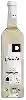
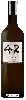
Winery Bizkai BarneTxakoli Adore (El Impetuosoo)
 White wine



This wine generally goes well with
The Txakoli Adore (El Impetuosoo) of the Winery Bizkai Barne is in the top 10 of wines of Bizkaiko Txakolina.

Wine flavors and olphactive analysis

Details and technical informations about Winery Bizkai Barne's Txakoli Adore (El Impetuosoo).
Discover the grape variety: Melon-Queue-Rouge
Lively, refreshing dry whites with a pale golden robe and green hints, a lean palate and preserved acidity, with signature aromas of citrus (lemon), white flowers, white-fleshed fruits (pear) and Loire saline iodine notes. A profile identical to classic Muscadet. Preserved for its heritage value in a few parcels in the Pays Nantais. A reddish-stemmed mutation of Melon de Bourgogne, native French white grape.
Last vintages of this wine
The best vintages of Txakoli Adore (El Impetuosoo) from Winery Bizkai Barne are 2017, 0
Informations about the Winery Bizkai Barne
The Winery Bizkai Barne is one of of the world's greatest estates. It offers 4 wines for sale in the of Bizkaiko Txakolina to come and discover on site or to buy online.

The wine region of Bizkaiko Txakolina
DO of the Spanish Basque Country (Biscay, ~250 ha), rainy oceanic climate, argilo-calcareous soils. Hondarrabi Zuri is the signature white king (~90%): dry and crisp with green apple, lemon zest, herbs, white flowers and a briny iodine touch, light natural perlant and lively acidity. Tradition of serving in cascade to aerate. Petit Courbu and Manseng as complements.
The wine region of El Pais Vasco
Spanish Basque Country (Euskadi) on the Cantabrian coast near Bilbao, humid oceanic climate. Hondarrabi Zuri is the signature white for Txakoli: dry, lively and slightly sparkling with citrus, green apple, white flowers and saline iodine notes, cutting acidity and low alcohol - poured from height to release the pétillant, the pintxos companion. Hondarrabi Beltza for light reds and crisp rosés. Three DOs: Getariako, Bizkaiko and Arabako Txakolina.
The word of the wine: Liquid
Sweet wine containing more than 50 grams of residual sugar per liter. Sweet wines are made from grapes often affected by botrytis cinerea and concentrated either by passerillage (drying of the grapes on the vine stock), or after the harvest (straw wines), or by the cold (ice wines).