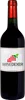
Winery BianchiPicaia
 Red wine


This wine generally goes well with beef and game (deer, venison).
Food and wine pairings with Picaia
Pairings that work perfectly with Picaia


Original food and wine pairings with Picaia
The Picaia of Winery Bianchi matches generally quite well with dishes of beef or game (deer, venison) such as recipes of beef pot au feu (grandma's style) or oven roasted rabbit that cooks itself!.
Details and technical informations about Winery Bianchi's Picaia.
Discover the grape variety: Merlot
Merlot noir is a grape variety that originated in France (Bordeaux). It produces a variety of grape specially used for wine making. It is rare to find this grape to eat on our tables. This variety of grape is characterized by small to medium sized bunches, and medium sized grapes. Merlot noir can be found in many vineyards: South West, Languedoc & Roussillon, Cognac, Bordeaux, Loire Valley, Armagnac, Burgundy, Jura, Champagne, Rhone Valley, Beaujolais, Provence & Corsica, Savoie & Bugey.
Last vintages of this wine
The best vintages of Picaia from Winery Bianchi are 2018, 0
Informations about the Winery Bianchi
The Winery Bianchi is one of of the world's greatest estates. It offers 9 wines for sale in the of Ticino to come and discover on site or to buy online.

The wine region of Ticino
Ticino is a relatively small wine region in the alpine South of Switzerland, prized for its Merlot, and located along its border with Italy. The wine region's borders follow those of the canton of Ticino, a primarily Italian-speaking enclave in the landlocked multilingual country (the canton is called "Tessin" by the French and German speakers). Vineyard">Vineyards in region cover just over 1,100 hectares (2,700 acres) and are centred around the rivers and large, alpine lakes of the canton. The latter are a major tourist attraction - much like the lake of Como, just 5km (3 miles) from Ticino's southernmost tip - and they all share water with Italy.
The word of the wine: Oenologist
Specialist in wine-making techniques. It is a profession and not a passion: one can be an oenophile without being an oenologist (and the opposite too!). Formerly attached to the Faculty of Pharmacy, oenology studies have become independent and have their own university course. Learning to make wine requires a good chemical background but also, increasingly, a good knowledge of the plant. Some oenologists work in laboratories (analysis). Others, the consulting oenologists, work directly in the properties.