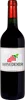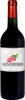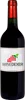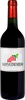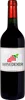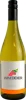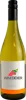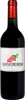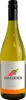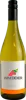
Winery BessersteinEdelstein Blanc de Noir Barrique
 White wine



This wine generally goes well with pork, poultry or veal.

Food and wine pairings with Edelstein Blanc de Noir Barrique
Pairings that work perfectly with Edelstein Blanc de Noir Barrique



Original food and wine pairings with Edelstein Blanc de Noir Barrique


The Edelstein Blanc de Noir Barrique of Winery Besserstein matches generally quite well with dishes of veal, pork or game (deer, venison) such as recipes of pork tenderloin with mushroom sauce, stuffed mushrooms or alsatian wine pie.
Details and technical informations about Winery Besserstein's Edelstein Blanc de Noir Barrique.
Discover the grape variety: Pinot noir
Elegant reds, light in colour with silky tannins, showing strawberry, cherry and raspberry aromas, evolving to forest floor, mushroom and spice with age. Fresh acidity, delicate finish. Star of the Côte d'Or (Romanée-Conti, Chambertin, Volnay), pillar of Champagne (Blanc de Noirs) and signature of Oregon, Central Otago and Sonoma Coast. An early-ripening Burgundian variety, one of the world's greatest.
Last vintages of this wine
The best vintages of Edelstein Blanc de Noir Barrique from Winery Besserstein are 0
Informations about the Winery Besserstein
The Winery Besserstein is one of of the world's greatest estates. It offers 17 wines for sale in the of Aargau to come and discover on site or to buy online.

The wine region of Aargau
Northern German-speaking Swiss wine canton, 380 ha on Jurassic limestone soils. Signature Pinot Noir (Blauburgunder) in Burgundian style: fine, silky reds with signature notes of cherry, raspberry, undergrowth, sweet spices and salty minerality, delicate tannins and taut freshness. Muller-Thurgau second as a lively, fruity white (apple, white flowers, light muscat). Also broad Chardonnay, fragrant Grauburgunder, opulent Gewurztraminer, red Regent.
The word of the wine: Bâtonnage
A very old technique that has come back into fashion in modern oenology, which consists of shaking the white wine in the barrels at the end of fermentation, or after fermentation, with a stick or a flail, in order to suspend the fine lees composed of yeasts at the end of their activity. This process is sometimes used for red wines.