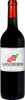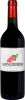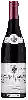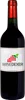
Winery Bernard LoiseauSantenay 'Les Charmes'
 Red wine
This wine generally goes well with poultry, beef or veal.

Food and wine pairings with Santenay 'Les Charmes'
Pairings that work perfectly with Santenay 'Les Charmes'



Original food and wine pairings with Santenay 'Les Charmes'

The Santenay 'Les Charmes' of Winery Bernard Loiseau matches generally quite well with dishes of beef, veal or game (deer, venison) such as recipes of fast and, casserons in the country style or rabbit good woman.
Details and technical informations about Winery Bernard Loiseau's Santenay 'Les Charmes'.
Discover the grape variety: Vuillermin
Structured, elegant reds with fine ageing potential, a deep ruby robe, fine tannins, an ample palate and fresh acidity; signature aromas of black fruits (blackberry), spices, alpine herbs and floral notes (violet). Distinctive alpine profile. Preserved for its heritage value by a few committed Valdostan growers. Rare black grape of the Aosta Valley, nearly extinct and rediscovered in the 1990s.
Informations about the Winery Bernard Loiseau
The Winery Bernard Loiseau is one of of the world's great estates. It offers 22 wines for sale in the of Santenay to come and discover on site or to buy online.

The wine region of Santenay
Southernmost cru of the Cote de Beaune: signature Pinot Noir as king red (~80%) — ruby robe with notes of cherry, raspberry, blackberry, wild strawberry, violet and a hint of spice, supple tannins and a generous finish, more accessible than its northern neighbours. Chardonnay as a broad white (citrus, apple, almond, honey, white flowers). AOC (1937), ~330 ha on Santenay and Remigny, 12 Premiers Crus (Les Gravieres, La Comme), limestone marls, ages 4-10 years.
The wine region of Burgundy
Absolute reference for great terroir wines: opulent, mineral Chardonnay in whites (chiselled Chablis, buttery Meursault, majestic Montrachet), fine and silky Pinot Noir in reds (full-bodied Gevrey, structured Pommard, delicate Volnay). Exceptional age-worthy wines with complex notes - red fruits, undergrowth, butter, hazelnut. Some lively Aligoté and light Gamay (Mâconnais). 29,500 ha, 84 tiered AOCs (Régionale, Village, 1er Cru, Grand Cru), 1,247 UNESCO Climats.
The word of the wine: Chambered
Said of a wine served at a temperature around 18 °.