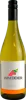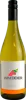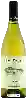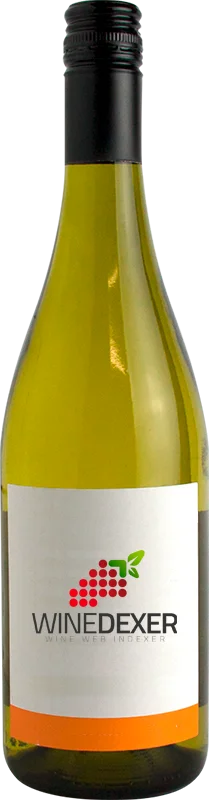
Winery BerioliMaldestro
 White wine



In the mouth this white wine is a with a nice freshness.
This wine generally goes well with vegetarian, appetizers and snacks or lean fish.
Taste structure of the Maldestro from the Winery Berioli
Light | Bold | |
Dry | Sweet | |
Soft | Acidic |
In the mouth the Maldestro of Winery Berioli in the region of Umbria is a with a nice freshness.


Food and wine pairings with Maldestro
Pairings that work perfectly with Maldestro



Original food and wine pairings with Maldestro


The Maldestro of Winery Berioli matches generally quite well with dishes of pasta, vegetarian or appetizers and snacks such as recipes of maultaschen ( swabian ravioli ), quiche without pastry or pizza-style appetizer croissants.
Details and technical informations about Winery Berioli's Maldestro.
Discover the grape variety: Chardonnay
The white Chardonnay is a grape variety that originated in France (Burgundy). It produces a variety of grape specially used for wine making. It is rare to find this grape to eat on our tables. This variety of grape is characterized by small bunches, and small grapes. White Chardonnay can be found in many vineyards: South West, Burgundy, Jura, Languedoc & Roussillon, Cognac, Bordeaux, Beaujolais, Savoie & Bugey, Loire Valley, Champagne, Rhone Valley, Armagnac, Lorraine, Alsace, Provence & Corsica.
Last vintages of this wine
The best vintages of Maldestro from Winery Berioli are 2018, 0
Informations about the Winery Berioli
The Winery Berioli is one of of the world's greatest estates. It offers 7 wines for sale in the of Umbria to come and discover on site or to buy online.

The wine region of Umbria
Umbria, in CentralItaly, is a region of lush hills, hilltop villages and iconic historic towns. The latter are exemplified by Orvieto and Assisi. At the very heart of the Italian peninsula, it is surrounded by Tuscany, Marche and Lazio. It is in fact the only Italian region without a coastline or international border.
The word of the wine: Rosé de saignée
A method of making rosé wine that consists of partially draining a vat of red wine after a few hours of maceration. The longer the maceration, the stronger the colour. This practice gives rich and expressive rosés.