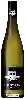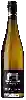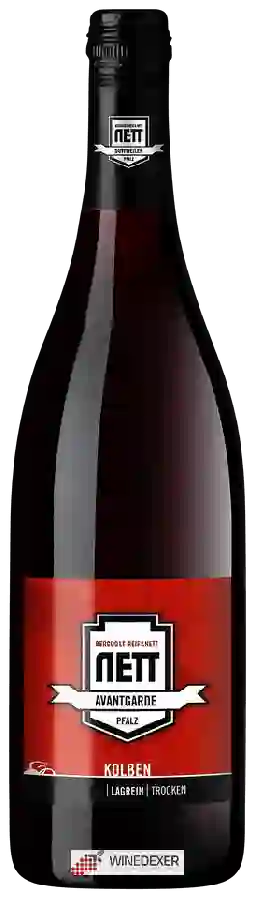
Winery Bergdolt-Reif & NettAvantgarde L.G...N Kolben Trocken
 Red wine


This wine generally goes well with

Wine flavors and olphactive analysis

Details and technical informations about Winery Bergdolt-Reif & Nett's Avantgarde L.G...N Kolben Trocken.
Discover the grape variety: Teinturier
Intensely coloured teinturier reds with a near-black deep red colour, signature red pulp, firm tannins and dense palate, with simple aromas of black fruit (blackberry, blackcurrant), spices and balsamic notes. Historically used in blends to intensify colour. Now marginal, it survives in varietal collections. Generic name for indigenous French varieties with red pulp (Teinturier du Cher, Teinturier Henri Bouschet).
Last vintages of this wine
The best vintages of Avantgarde L.G...N Kolben Trocken from Winery Bergdolt-Reif & Nett are 2017, 2016, 2014, 2015 and 0.
Informations about the Winery Bergdolt-Reif & Nett
The Winery Bergdolt-Reif & Nett is one of of the world's greatest estates. It offers 95 wines for sale in the of Pfalz to come and discover on site or to buy online.

The wine region of Pfalz
Fleshy, dry, fruity Riesling is the region's signature: yellow peach, apricot, ripe citrus, lovely mineral tension. Germany's largest red-wine area (40%), with silky Spätburgunder showing red fruit and spice, darker structured Dornfelder, supple Portugieser. Some rounded Pinot Blanc and Pinot Gris. A 23,640 ha vineyard along the Haardt, among Germany's warmest (>2,000 h of sun).
The word of the wine: Filtration
Clarification of the wine using filters.