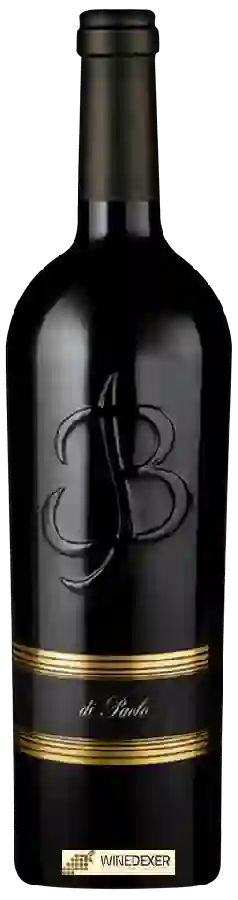
Winery BelpoggioDi Paolo
 Red wine



This wine is a blend of 2 varietals which are the Ciliegiolo and the Sangiovese.
In the mouth this red wine is a powerful.
This wine generally goes well with beef, game (deer, venison) or lamb.

Taste structure of the Di Paolo from the Winery Belpoggio
Light | Bold | |
Smooth | Tannic | |
Dry | Sweet | |
Soft | Acidic |
In the mouth the Di Paolo of Winery Belpoggio in the region of Tuscany is a powerful.
Food and wine pairings with Di Paolo
Pairings that work perfectly with Di Paolo



Original food and wine pairings with Di Paolo

The Di Paolo of Winery Belpoggio matches generally quite well with dishes of beef, pasta or lamb such as recipes of steak tartare, capellini with vegetables or doner kebab.
Details and technical informations about Winery Belpoggio's Di Paolo.
Discover the grape variety: Ciliegiolo
Supple and moreish reds with a deep ruby colour, melted tannins and a round palate, on intense aromas of ripe red cherry (hence its name, ciliegio = cherry tree), raspberry, plum, violet and sweet spices. Fresh acidity, best drunk young or for short ageing. Vinified as a single variety in Maremma Toscana DOC, Lazio and Umbria, and blended with Sangiovese (of which it may be the genetic parent). Native Tuscan Italian variety.
Last vintages of this wine
The best vintages of Di Paolo from Winery Belpoggio are 2017, 2019, 2018, 2016 and 2012.
Informations about the Winery Belpoggio
The Winery Belpoggio is one of of the world's greatest estates. It offers 5 wines for sale in the of Tuscany to come and discover on site or to buy online.

The wine region of Tuscany
Kingdom of Sangiovese: upright reds with cherry, plum, dried herbs and leather, lively acidity and firm tannins. Fleshy, food-friendly Chianti Classico DOCG, deep long-ageing Brunello di Montalcino (spice, tobacco, ripe black fruit), elegant Vino Nobile di Montepulciano. On the coast, Bolgheri crafts the opulent Cabernet- and Merlot-based 'Super Tuscans'. Some fresh white Vernaccia.
The word of the wine: Gluing
Method consisting in clarifying the wine and giving it a limpidity by incorporating a specific product.