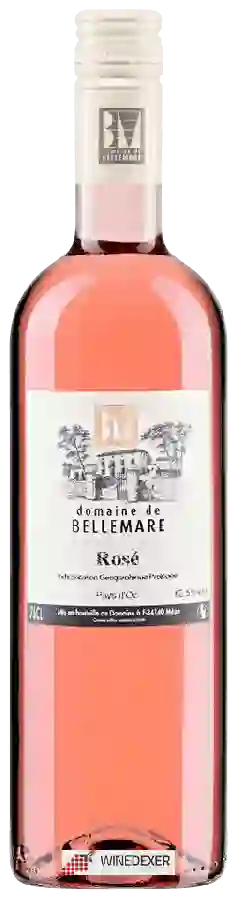
Domaine de Belle MareRosé
 Pink wine
This wine generally goes well with vegetarian, appetizers and snacks or lean fish.

Food and wine pairings with Rosé
Pairings that work perfectly with Rosé



Original food and wine pairings with Rosé


The Rosé of Domaine de Belle Mare matches generally quite well with dishes of pasta, vegetarian or appetizers and snacks such as recipes of pasta with artichoke hearts and bacon, quiche with bacon and gruyère cheese or mozzarella sticks.
Details and technical informations about Domaine de Belle Mare's Rosé.
Discover the grape variety: Egiodola
Intensely coloured, structured reds with a dark ruby robe, firm tannins and a dense palate of blackfruit (blackberry, blackcurrant, plum), cherry, spices, black pepper and balsamic notes. A tannin-rich profile adding colour and structure to southern blends. Grown mainly in the South-West (Aveyron, Tarn, Aquitaine) for IGP and VDP wines. French hybrid created in 1954 by INRA Bordeaux (fer servadou × abouriou), a modern teinturier grape.
Informations about the Domaine de Belle Mare
The Domaine de Belle Mare is one of of the world's great estates. It offers 42 wines for sale in the of Hérault to come and discover on site or to buy online.

The wine region of Hérault
Vast Languedoc IGP between the Cévennes and the Étang de Thau: Syrah, Grenache and Mourvèdre signatures in powerful, fruity reds with black fruit (blackberry, blackcurrant), garrigue, Mediterranean spices and a peppery touch, coated tannins. Cabernet, Merlot, Cinsault and Carignan complement. Grenache Blanc, Macabeu and Terret in accessible whites, plus aromatic Sauvignon, Chardonnay, Viognier. Fresh rosés.
The wine region of Pays d'Oc
The single-grape IGP par excellence: modern, accessible, frank and fruity wines, the popular signature of the Midi. Spicy Syrah reds (pepper, blackberry), round Merlot, structured Cabernet, generous Grenache, supple Cinsault. Crisp, tangy rosés. Opulent Chardonnay whites, lively Sauvignon, floral, apricoty Viognier.
The word of the wine: Film
Skin of the grape containing the colouring matter of red wines (anthocyanins), the most noble tannins and the essential aromatic substances.