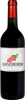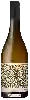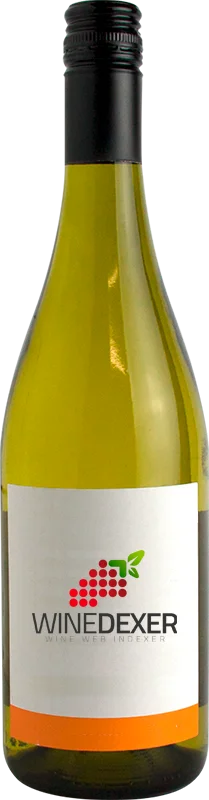
Winery BelayguesCalixte
 White wine


This wine generally goes well with pork, poultry or game (deer, venison).
The Calixte of the Winery Belaygues is in the top 90 of wines of Comté Tolosan.

Food and wine pairings with Calixte
Pairings that work perfectly with Calixte



Original food and wine pairings with Calixte



The Calixte of Winery Belaygues matches generally quite well with dishes of pork, game (deer, venison) or shellfish such as recipes of peasant minestrone, rabbit good woman or shrimp in red sauce.
Details and technical informations about Winery Belaygues's Calixte.
Discover the grape variety: Viognier
Opulent, heady whites, rich and silky, with intense aromas of apricot, yellow peach, mango, violet, honeysuckle and musky, honeyed notes. Discreet acidity, creamy finish. Star of Condrieu AOC and Château-Grillet AOC, co-vinified in Côte-Rôtie with Syrah (up to 20%). Widely exported to California (Central Coast), Australia (Eden Valley) and Languedoc. A Rhône variety.
Last vintages of this wine
The best vintages of Calixte from Winery Belaygues are 0
Informations about the Winery Belaygues
The Winery Belaygues is one of of the world's greatest estates. It offers 8 wines for sale in the of Comté Tolosan to come and discover on site or to buy online.

The wine region of Comté Tolosan
IGP covering all of southwest France across 12 departments, a broad and accessible palette. On the Garonne right bank, supple reds dominate: signature Merlot with signature notes of plum, ripe cherry, cocoa and a herbaceous touch, round tannins. Firm Cabernet, spicy Syrah, tannic local Tannat. Left bank for whites: vivid Colombard and Gros Manseng (citrus, grapefruit, exotic fruits), aromatic Sauvignon.
The word of the wine: Presses
The juice that results from pressing the grapes after fermentation. At the end of the maceration, the vats are emptied, the first juice obtained is called the free-run wine and the marc remaining at the bottom of the vat is then pressed to give the press wine. We say more quickly "the presses". Their quality varies according to the vintage and the maceration. A too vigorous extraction releases the tannins of pips and the wine of press can then prove to be very astringent. Often the winemaker raises it separately, deciding later whether or not to incorporate it totally or partially into the grand vin.