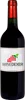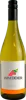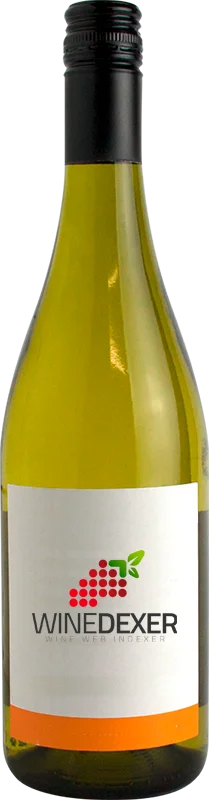
Winery Beira SerraTerras de Bandarra Branco
 White wine



This wine generally goes well with
Details and technical informations about Winery Beira Serra's Terras de Bandarra Branco.
Discover the grape variety: Mayorquin
Mayorquin is one of the many white grape varieties. According to the studies undertaken, it comes from Spanish vineyards and its original name is planta fina de Pedralba. In France, it may also be called Plant de Marseille, but it has other names such as Tizigzaouine, Damas Blanc or Alicante, depending on the regions and areas where it is grown. Nowadays, this variety is grown on an area of almost 2 ha, regardless of its names. Mayorquin is considered a rare variety. It is in the process of disappearing and requires some multiplication and cultivation to continue to exist. In France, it is only found in Belley and is mainly used as a table grape, especially for desserts. However, it can also be vinified, although the result is not as appreciated as those of other grape varieties. Instead, people tend to use Mayorquin as a secondary grape variety to produce other more popular wines.
Last vintages of this wine
The best vintages of Terras de Bandarra Branco from Winery Beira Serra are 0
Informations about the Winery Beira Serra
The Winery Beira Serra is one of of the world's great estates. It offers 30 wines for sale in the of Vinho de Portugal to come and discover on site or to buy online.

The wine region of Vinho de Portugal
Portugal has undergone something of a wine revolution over the past two decades, modernizing its winemaking technologies, styles and attitudes. This archetypal Old World country has Long been famous for its fortified wines (Port and Madeira) and its light, tangy Vinho Verde. But it is now attracting much attention for its New wave of Rich, ripe table wines, especially the reds of the Douro Valley. Portugal's place in the wine world is arguably more about its cork production than its wine, but that largely depends on which period of history you choose.
The word of the wine: Drawing (liqueur de)
In champagne and sparkling wines of traditional method, addition to the wine, at the time of bottling (tirage) of sugars and yeasts dissolved in wine. These components will provoke the second fermentation in the bottle leading to the formation of carbon dioxide bubbles.