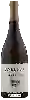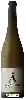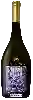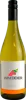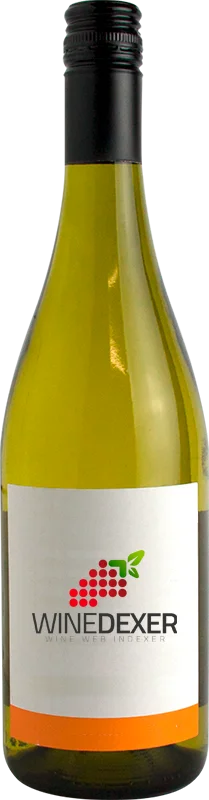
Winery BarreirinhoVinho Verde Branco
 White wine


In the mouth this white wine is a with a nice freshness.
This wine generally goes well with vegetarian, appetizers and snacks or shellfish.
Taste structure of the Vinho Verde Branco from the Winery Barreirinho
Light | Bold | |
Dry | Sweet | |
Soft | Acidic |
In the mouth the Vinho Verde Branco of Winery Barreirinho in the region of Minho is a with a nice freshness.
Food and wine pairings with Vinho Verde Branco
Pairings that work perfectly with Vinho Verde Branco



Original food and wine pairings with Vinho Verde Branco
The Vinho Verde Branco of Winery Barreirinho matches generally quite well with dishes of shellfish, vegetarian or appetizers and snacks such as recipes of lobster and scallops on a bed of leeks, tuna, pepper and tomato quiche or reunion pepper candy.
Details and technical informations about Winery Barreirinho's Vinho Verde Branco.
Discover the grape variety: Frontenac
A cross between Landot 4511 and Vitis Riparia 89 (very resistant to cold) obtained in 1978 at the University of Minnesota (United States) and propagated from 1996. It can also be found in Canada (Quebec, Ontario, etc.), in Lithuania, etc. In France, it is practically unknown. Note that the white and grey Frontenac are derived from mutations of the black, encountered and isolated in 2003 for the grey and in September 2005 for the white. - Synonymy: MN 1047 (for all the grape variety synonyms, click here!).
Last vintages of this wine
The best vintages of Vinho Verde Branco from Winery Barreirinho are 0
Informations about the Winery Barreirinho
The Winery Barreirinho is one of of the world's greatest estates. It offers 3 wines for sale in the of Minho to come and discover on site or to buy online.

The wine region of Minho
Minho is Portugal's Northernmost wine region. It is known for one wine style above all others: crisp, light, white Vinho Verde, whose DOC zone covers the same territory. The Minho name is used for the area's Vinho Regional designation (similar to the French IGP). The latter's looser production laws allow more diversity in the average winery's portfolio, including red and rosé wines.
The word of the wine: Dosage
The addition of sugar in the form of expedition liquor to a sparkling wine after disgorgement.