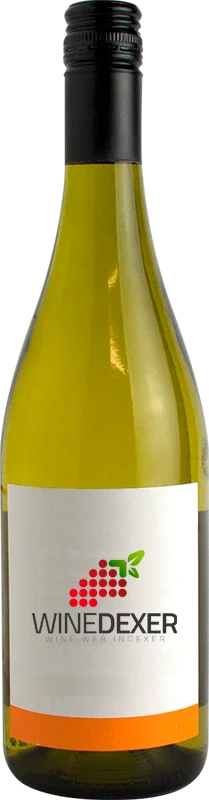
Winery Baily & BailyQueen Bee Sticky
 White wine


This wine generally goes well with sweet desserts

Food and wine pairings with Queen Bee Sticky
Pairings that work perfectly with Queen Bee Sticky

Original food and wine pairings with Queen Bee Sticky
The Queen Bee Sticky of Winery Baily & Baily matches generally quite well with dishes of sweet desserts such as recipes of very simple muffins.
Details and technical informations about Winery Baily & Baily's Queen Bee Sticky.
Discover the grape variety: Schuyler
Fruity reds with a characteristic foxy flavour, a sustained ruby robe, supple tannins and a light palate with moderate acidity, featuring aromas of red fruits (cherry, raspberry) and typical Labrusca notes (wild strawberry). Early-ripening and cold-hardy. Grown in the north-eastern United States (New York) and Canada (Ontario) for simple wines and fresh consumption. American black hybrid variety obtained in 1947 by Cornell University.
Informations about the Winery Baily & Baily
The Winery Baily & Baily is one of of the world's great estates. It offers 52 wines for sale in the of Australie du Sud-Est to come and discover on site or to buy online.

The wine region of Australie du Sud-Est
Macro blending zone covering the southern half of the country (NSW, Victoria, Tasmania, parts of SA and QLD). Accessible, vintage-consistent brand wines: supple fruity Shiraz (blackberry, sweet spice), round Cabernet Sauvignon, gourmet Merlot, opulent Chardonnay (yellow fruit, vanilla), lively Sauvignon Blanc, lemony Sémillon. Status created for export and major international brands. From aperitif to everyday, an affordable, fruity expression of the Australian style.
The word of the wine: Tertiary aromas
Aromas resulting from the aging of the wine in the bottle. The aromas evolve with time, from fresh fruitiness to notes of stewed, candied or dried fruit, to aromas of venison or undergrowth.