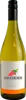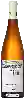
Winery Asbach-KretschmarRüdesheimer Klosterberg Riesling Spätlese Feinherb
 White wine
In the mouth this white wine is a with a nice freshness.
This wine generally goes well with pork, poultry or shellfish.

Taste structure of the Rüdesheimer Klosterberg Riesling Spätlese Feinherb from the Winery Asbach-Kretschmar
Light | Bold | |
Dry | Sweet | |
Soft | Acidic |
In the mouth the Rüdesheimer Klosterberg Riesling Spätlese Feinherb of Winery Asbach-Kretschmar in the region of Rheingau is a with a nice freshness.
Food and wine pairings with Rüdesheimer Klosterberg Riesling Spätlese Feinherb
Pairings that work perfectly with Rüdesheimer Klosterberg Riesling Spätlese Feinherb



Original food and wine pairings with Rüdesheimer Klosterberg Riesling Spätlese Feinherb


The Rüdesheimer Klosterberg Riesling Spätlese Feinherb of Winery Asbach-Kretschmar matches generally quite well with dishes of pork, shellfish or spicy food such as recipes of roast pork in the oven, cuttlefish with cider or shrimp marinade.
Details and technical informations about Winery Asbach-Kretschmar's Rüdesheimer Klosterberg Riesling Spätlese Feinherb.
Discover the grape variety: Riesling
Crystalline, taut whites with vibrant acidity and aromas of citrus, green apple, white flowers, vineyard peach and mineral/petrol notes with age. Made as dry (Trocken, Alsace), off-dry (Kabinett, Spätlese) and sweet (Auslese, Beerenauslese, Trockenbeerenauslese, late harvest). Star of the Moselle, Rheingau, Alsace AOC and Wachau. Also exported to Clare Valley and Finger Lakes.
Informations about the Winery Asbach-Kretschmar
The Winery Asbach-Kretschmar is one of of the world's greatest estates. It offers 11 wines for sale in the of Rheingau to come and discover on site or to buy online.

The wine region of Rheingau
Historic cradle of great German Riesling: age-worthy whites of rare precision, from taut dry (Trocken) to botrytised sweet (Auslese, Beerenauslese, TBA) with notes of peach, citrus, acacia honey, noble petrol and slatey minerality. Riesling king on ~80% of the vineyard. Also Spätburgunder (Pinot Noir, 8%), notably the fine, silky Assmannshausen. 3,100 ha on south-facing slopes overlooking the Rhine (Hesse).
The word of the wine: Pinot meunier
Cultivated in the 19th century in all the northern vineyards, this black grape variety has largely regressed since. Very present in the Marne valley, it constitutes a third of the vineyards in Champagne, alongside pinot noir and chardonnay with which it is often blended. It brings roundness and red and yellow fruit aromas to champagnes. Pinot meunier is also the dominant grape variety in red and rosé wines in the Orleans AOC and the rare Touraine-Noble-Joué, a grey wine. Syn.: meunier.