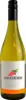
Winery ArtigianoGrillo
 White wine


In the mouth this white wine is a powerful.
This wine generally goes well with vegetarian, appetizers and snacks or shellfish.

Taste structure of the Grillo from the Winery Artigiano
Light | Bold | |
Dry | Sweet | |
Soft | Acidic |
In the mouth the Grillo of Winery Artigiano in the region of Sicily is a powerful.
Wine flavors and olphactive analysis




On the nose the Grillo of Winery Artigiano in the region of Sicily often reveals types of flavors of earth, microbio or tree fruit and sometimes also flavors of spices, citrus fruit or tropical fruit.
Food and wine pairings with Grillo
Pairings that work perfectly with Grillo



Original food and wine pairings with Grillo
The Grillo of Winery Artigiano matches generally quite well with dishes of shellfish, vegetarian or appetizers and snacks such as recipes of blanquette of monkfish and scallops, zucchini quiche or chicken skewers with curry and lemon.
Details and technical informations about Winery Artigiano's Grillo.
Discover the grape variety: Grillo
Structured, aromatic whites with ample mouth and fresh acidity, featuring aromas of ripe citrus, yellow peach, exotic fruits, white flowers, Mediterranean herbs and marine saline notes. Tonic finish. A historic key component of Marsala DOC and star of the modern Sicilian dry white revival (Sicilia DOC). Native Sicilian grape, a natural cross of Catarratto × Moscato d'Alessandria.
Last vintages of this wine

The best vintages of Grillo from Winery Artigiano are 2015, 2019, 0, 2017 and 2018.
Informations about the Winery Artigiano
The Winery Artigiano is one of of the world's greatest estates. It offers 5 wines for sale in the of Sicily to come and discover on site or to buy online.

The wine region of Sicily
Major qualitative renewal. Sunny, expressive reds: fleshy, spicy Nero d'Avola (black cherry, blackberry, liquorice), fine, mineral Nerello Mascalese on Etna (recalls Pinot Noir), light, crisp Frappato in Cerasuolo di Vittoria DOCG. Lively, saline whites: Catarratto, fat, iodised Grillo, taut Carricante, floral Inzolia. Amber, walnutty fortified Marsala.
The word of the wine: Sulphur
An antiseptic and antioxidant substance known since antiquity, probably already used by the Romans. But it was only in modern times that its use was rediscovered. It will allow a better conservation of the wine and thus favour its export. Sulphur also gave the 18th century winegrower the possibility of extending the maceration period without fearing that the wine would turn sour and thus go from dark rosé wines to the red wines of today. Excessive sulphur, on the other hand, kills happiness, paralysing the aromas and causing headaches.