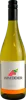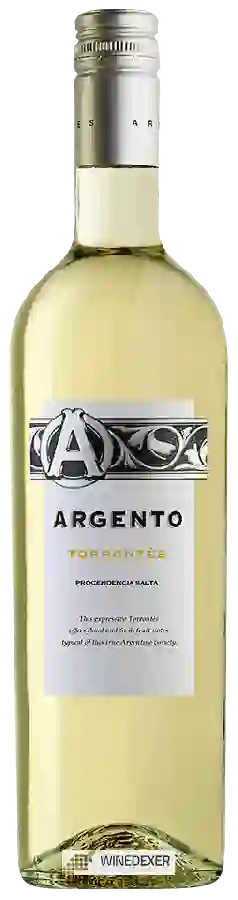
Winery ArgentoTorrontes
 White wine



In the mouth this white wine is a powerful with a nice freshness.
This wine generally goes well with vegetarian, spicy food or aperitif.

Taste structure of the Torrontes from the Winery Argento
Light | Bold | |
Dry | Sweet | |
Soft | Acidic |
In the mouth the Torrontes of Winery Argento in the region of Mendoza is a powerful with a nice freshness.
Wine flavors and olphactive analysis



On the nose the Torrontes of Winery Argento in the region of Mendoza often reveals types of flavors of tree fruit, spices or citrus fruit and sometimes also flavors of floral, tropical fruit.
Food and wine pairings with Torrontes
Pairings that work perfectly with Torrontes



Original food and wine pairings with Torrontes
The Torrontes of Winery Argento matches generally quite well with dishes of spicy food, vegetarian or aperitif such as recipes of pasta shells, mushroom, bacon and gruyere quiche or rillettes of sardines.
Details and technical informations about Winery Argento's Torrontes.
Discover the grape variety: Bayan shirei
Structured, full-bodied whites in dry styles, and sweet or fortified versions, with a pale golden to amber robe and an ample palate with moderate acidity. Signature aromas of ripe yellow fruits (peach, apricot), white flowers, honey and Caucasian mineral notes. Star of Azerbaijani and Caucasian whites, excelling both dry and in dessert wines. A native white grape of Azerbaijan, grown mainly in the Shamakhi region.
Last vintages of this wine
The best vintages of Torrontes from Winery Argento are 2017, 2015, 2019, 2018 and 0.
Informations about the Winery Argento
The Winery Argento is one of of the world's greatest estates. It offers 66 wines for sale in the of Mendoza to come and discover on site or to buy online.

The wine region of Mendoza
World capital of Malbec: powerful, deep reds with blackberry, plum, violet and sweet spice, round tannins and vivid fruit. Also firm Cabernet Sauvignon, supple, juicy Bonarda, aromatic floral white Torrontés. High-altitude vineyards (800-1,700 m) at the foot of the Andes, dry continental climate irrigated by glacial waters. ~80% of Argentine output across 150,000 ha.
The word of the wine: Destemming
Operation consisting in eliminating the vegetal part of the bunch supporting the berries, its maceration with the must giving a herbaceous taste to the wine.