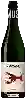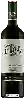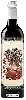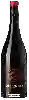
Winery Arco del CastilloGran Reserva
 Red wine
In the mouth this red wine is a powerful.
This wine generally goes well with poultry, beef or veal.
Taste structure of the Gran Reserva from the Winery Arco del Castillo
Light | Bold | |
Smooth | Tannic | |
Dry | Sweet | |
Soft | Acidic |
In the mouth the Gran Reserva of Winery Arco del Castillo in the region of Murcie is a powerful.
Food and wine pairings with Gran Reserva
Pairings that work perfectly with Gran Reserva



Original food and wine pairings with Gran Reserva

The Gran Reserva of Winery Arco del Castillo matches generally quite well with dishes of beef, pasta or veal such as recipes of stuffed beef rolls, multicoloured butterfly pasta or roast veal with chanterelles and cream.
Details and technical informations about Winery Arco del Castillo's Gran Reserva.
Discover the grape variety: Artaban
Wine grape variety of the INRA-Resdur1 series with polygenic resistance (two genes for mildew and powdery mildew have been identified) resulting from an interspecific cross, obtained in 2000, between Mtp 3082-1-42 (one of its parents is Vitis rotundifolia, which is resistant to Pierce's disease, mildew, grey rot, etc.) and Regent. It is registered in the Official Catalogue of wine grape varieties list A1.
Informations about the Winery Arco del Castillo
The Winery Arco del Castillo is one of of the world's greatest estates. It offers 2 wines for sale in the of Murcie to come and discover on site or to buy online.

The wine region of Murcie
Murcia is one of the smallest and least known regions in Spain. Nestled in the extreme Southeast of the country, it is bordered by Andalusia to the west, Castilla-La Mancha to the North, Valencia to the east and the Mediterranean Sea to the south. This small administrative region consists of a single province and an administrative centre that share the same name. As far as wine is concerned, Murcia has three designations of origin.
The word of the wine: Aging on lees
Maturing on the lees enhances the stability, aromatic complexity and texture of white wines, which gain in body and volume. This phenomenon is induced by autolysis, the process of self-degradation of the lees.