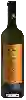
Winery ArcadiaOdrysia Narince
 White wine



This wine generally goes well with
Wine flavors and olphactive analysis



On the nose the Odrysia Narince of Winery Arcadia in the region of Thrace often reveals types of flavors of earth, microbio or oak and sometimes also flavors of tree fruit.
Details and technical informations about Winery Arcadia's Odrysia Narince.
Discover the grape variety: Narince
This grape variety is native to Turkey, where it is very well known and highly appreciated. In this country, it is very often grown at high altitudes. It is believed to be the result of a natural intraspecific cross between Dimrit Kara and Kalecik Karasi. Almost unknown in France, it is no more so in other wine-producing countries.
Last vintages of this wine
The best vintages of Odrysia Narince from Winery Arcadia are 2018, 2017, 2015, 0 and 2016.
Informations about the Winery Arcadia
The Winery Arcadia is one of of the world's great estates. It offers 29 wines for sale in the of Thrace to come and discover on site or to buy online.

The wine region of Thrace
The wine region of Thrace of Greece. Wineries and vineyards like the Domaine Chamlija or the Château Kalpak produce mainly wines red, white and pink. The most planted grape varieties in the region of Thrace are Cabernet-Sauvignon, Merlot and Cabernet franc, they are then used in wines in blends or as a single variety. On the nose of Thrace often reveals types of flavors of cherry, grapefruit or black cherries and sometimes also flavors of jam, mint or prune.
The word of the wine: Claret
Name given by the English to the red wine of Bordeaux.