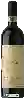
Winery ArbiolaRomilda Barbera d’Asti Superiore Nizza
 Red wine



This wine generally goes well with

Details and technical informations about Winery Arbiola's Romilda Barbera d’Asti Superiore Nizza.
Discover the grape variety: Velteliner vert
Lively, structured dry whites with a pale golden robe, an ample palate with preserved acidity, and signature aromas of citrus (lime, grapefruit), white pepper, crisp vegetables (radish, rhubarb) and typical mineral notes. Also great age-worthy whites. Star of the Kamptal, Kremstal and Wachau DAC appellations; a strong expression of Austrian wine identity. French synonym for Grüner Veltliner, Austria's most planted emblematic white variety.
Last vintages of this wine
The best vintages of Romilda Barbera d’Asti Superiore Nizza from Winery Arbiola are 2009, 0
Informations about the Winery Arbiola
The Winery Arbiola is one of of the world's greatest estates. It offers 13 wines for sale in the of Asti to come and discover on site or to buy online.

The wine region of Asti
Italian capital of sweet, aromatic sparklers. Signature Asti DOCG: light, muscat-scented sparklers from Moscato Bianco with signature notes of fresh grape, peach, apricot, orange blossom and sage, opulent yet balanced sweetness, low alcohol (~7%) — a dessert treat. Moscato d'Asti a more delicate, slightly fizzy (frizzante) version. Also lively, fruity Barbera reds, peppery Grignolino and sweet, musky Brachetto d'Acqui.
The wine region of Piedmont
Kingdom of Nebbiolo: Barolo and Barbaresco DOCG, long-ageing reds with firm tannins and lively acidity, complex aromas of withered rose, sour cherry, tar, truffle and undergrowth. More accessible, tangy Barbera on red fruit, supple, crisp Dolcetto. Sweet, floral sparkling Moscato d'Asti, mineral, lemony Gavi (Cortese) white, round, almondy Arneis from Roero. 50,000 ha across the Langhe, Roero and Monferrato, UNESCO.
The word of the wine: MA
Auxiliary brand or buyer's brand (supermarket for example) gathering champagnes of various origins. It offers no guarantee of quality or traceability.