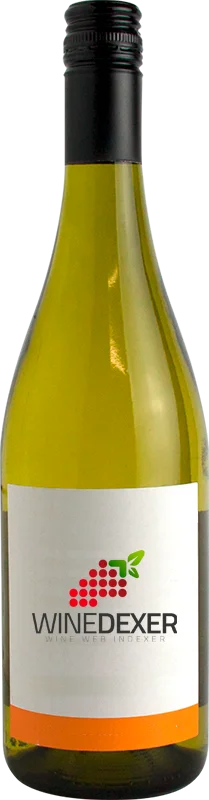
Winery AranwaTorrontes
 White wine



In the mouth this white wine is a powerful with a nice freshness.
This wine generally goes well with vegetarian, spicy food or aperitif.
Taste structure of the Torrontes from the Winery Aranwa
Light | Bold | |
Dry | Sweet | |
Soft | Acidic |
In the mouth the Torrontes of Winery Aranwa in the region of Mendoza is a powerful with a nice freshness.
Food and wine pairings with Torrontes
Pairings that work perfectly with Torrontes



Original food and wine pairings with Torrontes
The Torrontes of Winery Aranwa matches generally quite well with dishes of spicy food, vegetarian or aperitif such as recipes of chili con carne, salmon and goat cheese quiche or parmesan crisps.
Details and technical informations about Winery Aranwa's Torrontes.
Discover the grape variety: Malvoisie de l' Istrie
This grape variety is endemic to the Istrian peninsula, which is partly located in Italy, Slovenia and Croatia, where it is the leading white grape variety. In France, it is almost unknown. It is related to malvasia bianca longa, also known as malvasia del Chianti.
Last vintages of this wine
The best vintages of Torrontes from Winery Aranwa are 2015, 0, 2017, 2014
Informations about the Winery Aranwa
The Winery Aranwa is one of of the world's greatest estates. It offers 12 wines for sale in the of Mendoza to come and discover on site or to buy online.

The wine region of Mendoza
Mendoza is by far the largest wine region in Argentina. Located on a high-altitude plateau at the edge of the Andes Mountains, the province is responsible for roughly 70 percent of the country's annual wine production. The French Grape variety Malbec has its New World home in the vineyards of Mendoza, producing red wines of great concentration and intensity. The province Lies on the western edge of Argentina, across the Andes Mountains from Chile.
The word of the wine: Primeur
Said of wines from the last vintage and, by extension, wines of the year, fruity and easy-drinking, put on sale on the third Thursday in November. The AOC regulations specify that a wine is said to be primeur if it is bottled before the spring, and nouveau if it is bottled before the following harvest. Beaujolais Nouveau is therefore a vin primeur.