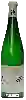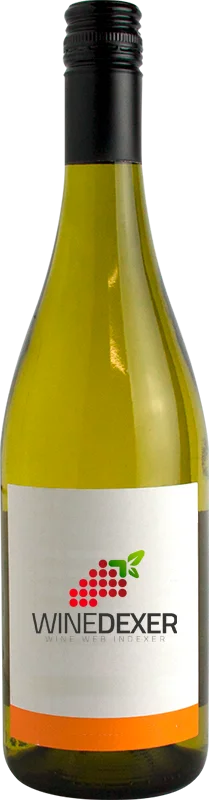
Winery ApelSauvignon Blanc Trocken
 White wine



In the mouth this white wine is a with a nice freshness.
This wine generally goes well with vegetarian, shellfish or goat cheese.

Taste structure of the Sauvignon Blanc Trocken from the Winery Apel
Light | Bold | |
Dry | Sweet | |
Soft | Acidic |
In the mouth the Sauvignon Blanc Trocken of Winery Apel in the region of Mosel is a with a nice freshness.
Food and wine pairings with Sauvignon Blanc Trocken
Pairings that work perfectly with Sauvignon Blanc Trocken


Original food and wine pairings with Sauvignon Blanc Trocken
The Sauvignon Blanc Trocken of Winery Apel matches generally quite well with dishes of shellfish, vegetarian or goat cheese such as recipes of soupions à la provençale, quiche with bacon and gruyère cheese or tuna burgers.
Details and technical informations about Winery Apel's Sauvignon Blanc Trocken.
Discover the grape variety: Lival
Deeply coloured, simple fruity reds with a sustained purple colour, soft tannins and an airy palate with moderate acidity, showing aromas of red and black fruits. Productive. Grown in small quantities in southern France for IGP wines, used in southern blends and part of the modern intraspecific hybrids intended for accessible table wine production. French black variety obtained in 1956 by complex crossing.
Last vintages of this wine
The best vintages of Sauvignon Blanc Trocken from Winery Apel are 0
Informations about the Winery Apel
The Winery Apel is one of of the world's great estates. It offers 54 wines for sale in the of Mosel to come and discover on site or to buy online.

The wine region of Mosel
Kingdom of lively, crystalline Riesling: citrus, green apple, gunflint, tangy tension and signature slate minerality. From light, fruity Kabinett to off-dry Spätlese, up to sweet Auslese and Trockenbeerenauslese of rare finesse. Some supple Müller-Thurgau and lively Elbling. Steeply sloped vineyards (up to 65% at the Bremmer Calmont) on blue and grey slate, 5,400 ha of Riesling (61.
The word of the wine: Breaking
Accident (oxidation or reduction) causing a loss of limpidity of the wine.