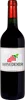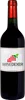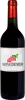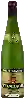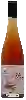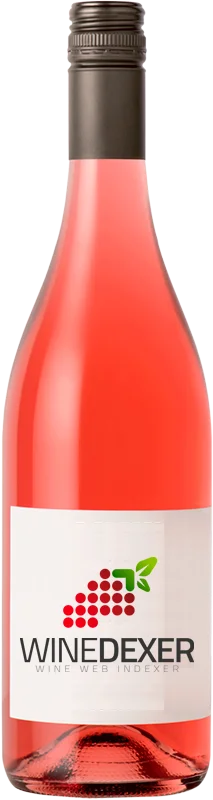
André Tempé - Domaine du MeywihrFleur du Printemps Pinot Noir Rosé
 Pink wine
This wine generally goes well with pork, poultry or veal.

Food and wine pairings with Fleur du Printemps Pinot Noir Rosé
Pairings that work perfectly with Fleur du Printemps Pinot Noir Rosé



Original food and wine pairings with Fleur du Printemps Pinot Noir Rosé


The Fleur du Printemps Pinot Noir Rosé of André Tempé - Domaine du Meywihr matches generally quite well with dishes of veal, pork or game (deer, venison) such as recipes of oriental stuffed vegetables, roast pork with milk or roast duck with cider sauce.
Details and technical informations about André Tempé - Domaine du Meywihr's Fleur du Printemps Pinot Noir Rosé.
Discover the grape variety: Pinot noir
Elegant reds, light in colour with silky tannins, showing strawberry, cherry and raspberry aromas, evolving to forest floor, mushroom and spice with age. Fresh acidity, delicate finish. Star of the Côte d'Or (Romanée-Conti, Chambertin, Volnay), pillar of Champagne (Blanc de Noirs) and signature of Oregon, Central Otago and Sonoma Coast. An early-ripening Burgundian variety, one of the world's greatest.
Informations about the André Tempé - Domaine du Meywihr
The André Tempé - Domaine du Meywihr is one of of the world's great estates. It offers 19 wines for sale in the of Alsace to come and discover on site or to buy online.

The wine region of Alsace
Capital of great French aromatic whites, most often dry and single-varietal. Straight, mineral Riesling (lemon, gunflint), opulent, exuberant Gewurztraminer (lychee, rose, spices), round, smoky Pinot Gris, floral, crisp Muscat, supple Pinot Blanc. Fine, fruity Crémants d'Alsace, exceptional sweet Vendanges Tardives and Sélection de Grains Nobles. 15,500 ha at the foot of the Vosges on varied soils, 51 Grands Crus since 1975.
The word of the wine: Beurré
Typical aroma of white wines aged in oak barrels and wines that have undergone malolactic fermentation.