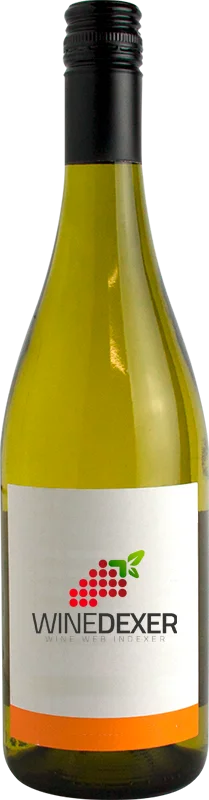
Winery AmoureusesMuscadet Sèvre Et Maine Sur Lie
 White wine
In the mouth this white wine is a with a nice freshness.
This wine generally goes well with appetizers and snacks, lean fish or shellfish.

Taste structure of the Muscadet Sèvre Et Maine Sur Lie from the Winery Amoureuses
Light | Bold | |
Dry | Sweet | |
Soft | Acidic |
In the mouth the Muscadet Sèvre Et Maine Sur Lie of Winery Amoureuses in the region of Loire Valley is a with a nice freshness.
Food and wine pairings with Muscadet Sèvre Et Maine Sur Lie
Pairings that work perfectly with Muscadet Sèvre Et Maine Sur Lie



Original food and wine pairings with Muscadet Sèvre Et Maine Sur Lie

The Muscadet Sèvre Et Maine Sur Lie of Winery Amoureuses matches generally quite well with dishes of shellfish, appetizers and snacks or lean fish such as recipes of marmite dieppoise, pretzels (alsace) or fideuà (paella with pasta and fish).
Details and technical informations about Winery Amoureuses's Muscadet Sèvre Et Maine Sur Lie.
Discover the grape variety: Melon
Crisp, dry whites with a pale robe, lean palate and lively acidity, showing delicate aromas of lemon, green apple, white flowers, pear, fresh almond and characteristic saline, iodine notes. Refreshing, ideal with Atlantic seafood. Star of Muscadet AOC (Sèvre-et-Maine, Côtes de Grandlieu, Coteaux de la Loire), aged on lees for added body. Native Burgundian variety (synonym Melon de Bourgogne), offspring of Pinot × Gouais blanc.
Informations about the Winery Amoureuses
The Winery Amoureuses is one of of the world's greatest estates. It offers 1 wines for sale in the of Loire Valley to come and discover on site or to buy online.

The wine region of Loire Valley
Kingdom of lively, dry whites and fine sparklers. Mineral, taut Sauvignon Blanc (Sancerre, Pouilly-Fumé) with citrus and gunflint notes. Multiform Chenin Blanc (Vouvray, Savennières, Layon): straight dry, floral off-dry or noble sweet honey-quince. Saline, iodised Muscadet (Melon B.
The word of the wine: Rosé de saignée
A method of making rosé wine that consists of partially draining a vat of red wine after a few hours of maceration. The longer the maceration, the stronger the colour. This practice gives rich and expressive rosés.