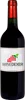
Winery Amirault GrosboisBourgueil Chevrette
 Red wine



This wine generally goes well with

Details and technical informations about Winery Amirault Grosbois's Bourgueil Chevrette.
Discover the grape variety: Blanc Auba
Simple, fresh dry whites with a pale golden robe, a supple palate and moderate acidity. Understated aromas of citrus and Pyrenean white flowers. Rustic, airy profile. Almost extinct, preserved in INRAE varietal collections; it reflects the pre-phylloxera viticultural heritage of south-west France and is among the ancient varieties under study. A native white grape from France, once grown in Béarn and Tursan.
Last vintages of this wine
The best vintages of Bourgueil Chevrette from Winery Amirault Grosbois are 2018
Informations about the Winery Amirault Grosbois
The Winery Amirault Grosbois is one of of the world's great estates. It offers 32 wines for sale in the of Bourgueil to come and discover on site or to buy online.

The wine region of Bourgueil
Dominant Cabernet Franc on the Loire north bank in Touraine: reds with a dual profile depending on terroir. Gravelly wines near the river are supple and fruity (morello cherry, strawberry, raspberry, blueberry), age 2-5 years, accessible young. Tuffeau slope wines are more structured and tannic with leather, cocoa, roasted and spice notes, long ageing. Purple robe, finesse and well-integrated acidity, signature Loire Cabernet Franc elegance, neighbour to Chinon.
The wine region of Loire Valley
Kingdom of lively, dry whites and fine sparklers. Mineral, taut Sauvignon Blanc (Sancerre, Pouilly-Fumé) with citrus and gunflint notes. Multiform Chenin Blanc (Vouvray, Savennières, Layon): straight dry, floral off-dry or noble sweet honey-quince. Saline, iodised Muscadet (Melon B.
The word of the wine: Licking
Operation consisting in sanitizing a barrel by introducing a wick of ignited sulphur which produces a release of sulphurous gas.