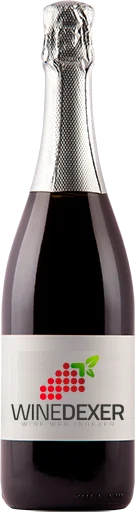
Winery Alte VigneSilvoy Prosecco
 Sparkling wine



In the mouth this sparkling wine is a with a nice vivacity and a fine and pleasant bubble.
This wine generally goes well with vegetarian, appetizers and snacks or shellfish.

Taste structure of the Silvoy Prosecco from the Winery Alte Vigne
Light | Bold | |
Soft | Acidic | |
Gentle | Fizzy |
In the mouth the Silvoy Prosecco of Winery Alte Vigne in the region of Veneto is a with a nice vivacity and a fine and pleasant bubble.
Food and wine pairings with Silvoy Prosecco
Pairings that work perfectly with Silvoy Prosecco



Original food and wine pairings with Silvoy Prosecco


The Silvoy Prosecco of Winery Alte Vigne matches generally quite well with dishes of shellfish, vegetarian or appetizers and snacks such as recipes of mussels with cream supers, zucchini quiche or bruschetta with mozzarella.
Details and technical informations about Winery Alte Vigne's Silvoy Prosecco.
Discover the grape variety: Béclan
Light, fruity reds with a clear ruby hue, smooth tannins and a soft palate with fresh acidity; undemonstrative aromas of red fruits (cherry, raspberry), gentle spices and Jura floral notes. Airy high-altitude style, best drunk young. Preserved for its heritage value, it survives in a few confidential plots in the Jura. Native French black grape of the Jura, also called méclan, near-extinct.
Last vintages of this wine
The best vintages of Silvoy Prosecco from Winery Alte Vigne are 0
Informations about the Winery Alte Vigne
The Winery Alte Vigne is one of of the world's greatest estates. It offers 8 wines for sale in the of Veneto to come and discover on site or to buy online.

The wine region of Veneto
World star of Prosecco: fresh, light Glera sparklers with notes of pear, green apple and white flowers, fruity, convivial bubbles. Veronese reds from Corvina and Rondinella: light, crisp Bardolino, fruity Valpolicella, opulent, concentrated Amarone DOCG (black cherry, chocolate, raisin) from dried grapes. Mineral, almondy Soave (Garganega) whites, fresh Pinot Grigio. 97,500 ha, Italy's largest production.
The word of the wine: Phenolic ripeness
A distinction is made between the ripeness of sugars and acids and the ripeness of tannins and other compounds such as anthocyanins and tannins, which will bring structure and colour. Grapes can be measured at 13° potential without having reached this phenolic maturity. Vinified at this stage, they will give hard, astringent wines, without charm.


