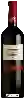
Winery AloviniNinirosso
 Red wine


This wine is a blend of 2 varietals which are the Aglianico and the Merlot.
In the mouth this red wine is a powerful.
This wine generally goes well with beef, lamb or pasta.

Taste structure of the Ninirosso from the Winery Alovini
Light | Bold | |
Smooth | Tannic | |
Dry | Sweet | |
Soft | Acidic |
In the mouth the Ninirosso of Winery Alovini in the region of Basilicata is a powerful.
Food and wine pairings with Ninirosso
Pairings that work perfectly with Ninirosso



Original food and wine pairings with Ninirosso
The Ninirosso of Winery Alovini matches generally quite well with dishes of beef, pasta or lamb such as recipes of quick beef bourguignon, trofie ( pasta ) paradiso or leg of lamb bravado in the oven.
Details and technical informations about Winery Alovini's Ninirosso.
Discover the grape variety: Aglianico
Powerful, tannic reds with deep colour and tight structure, with aromas of black cherry, blackberry, leather, tobacco, coffee and balsamic-volcanic mineral notes. High acidity and very fine ageing potential, often compared to nebbiolo. Star of Taurasi DOCG in Campania and Aglianico del Vulture DOCG in Basilicata (vines planted on volcanic soils). Late-ripening southern Italian variety of probable ancient Greek origin.
Last vintages of this wine
The best vintages of Ninirosso from Winery Alovini are 0
Informations about the Winery Alovini
The Winery Alovini is one of of the world's greatest estates. It offers 20 wines for sale in the of Basilicata to come and discover on site or to buy online.

The wine region of Basilicata
Austere region of southern Italy between Campania and Apulia, kingdom of volcanic Aglianico. Aglianico del Vulture signature DOCG on volcanic soils (~1,500 ha at 700 m): powerful, structured reds with signature notes of black cherry, blackberry, tobacco, leather, liquorice and a smoky mineral touch, firm tannins and long ageing — compared to Nebbiolo and Barolo. Also sun-drenched Primitivo, round Montepulciano. Fresh Greco and Fiano whites.
The word of the wine: Extraction
All the methods (pumping over, punching down) that allow the colour and tannins to be extracted from the grape skin during maceration, before fermentation begins. It is also possible to macerate after fermentation, but gently, so as not to extract the tannins from the seeds, which are greener. Because of its solvent power, alcohol favours extraction.