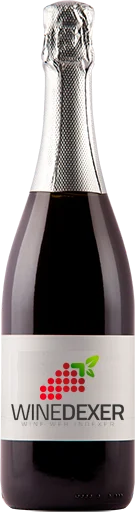
Winery Alfredo RocaNuri Pinot Noir Brut Nature Rosé
 Sparkling wine



This wine generally goes well with pork, poultry or veal.

Food and wine pairings with Nuri Pinot Noir Brut Nature Rosé
Pairings that work perfectly with Nuri Pinot Noir Brut Nature Rosé



Original food and wine pairings with Nuri Pinot Noir Brut Nature Rosé


The Nuri Pinot Noir Brut Nature Rosé of Winery Alfredo Roca matches generally quite well with dishes of veal, pork or game (deer, venison) such as recipes of slow-cooked veal roast, stuffed artichoke or mymy's golden apples (squash).
Details and technical informations about Winery Alfredo Roca's Nuri Pinot Noir Brut Nature Rosé.
Discover the grape variety: Pinot noir
Elegant reds, light in colour with silky tannins, showing strawberry, cherry and raspberry aromas, evolving to forest floor, mushroom and spice with age. Fresh acidity, delicate finish. Star of the Côte d'Or (Romanée-Conti, Chambertin, Volnay), pillar of Champagne (Blanc de Noirs) and signature of Oregon, Central Otago and Sonoma Coast. An early-ripening Burgundian variety, one of the world's greatest.
Last vintages of this wine
The best vintages of Nuri Pinot Noir Brut Nature Rosé from Winery Alfredo Roca are 0
Informations about the Winery Alfredo Roca
The Winery Alfredo Roca is one of of the world's great estates. It offers 58 wines for sale in the of Mendoza to come and discover on site or to buy online.

The wine region of Mendoza
World capital of Malbec: powerful, deep reds with blackberry, plum, violet and sweet spice, round tannins and vivid fruit. Also firm Cabernet Sauvignon, supple, juicy Bonarda, aromatic floral white Torrontés. High-altitude vineyards (800-1,700 m) at the foot of the Andes, dry continental climate irrigated by glacial waters. ~80% of Argentine output across 150,000 ha.
The word of the wine: Local wine
Table wine, but with the origin indicated. It corresponds to a particular legislation: the freedom to use grape varieties is greater than for the AOC, but the quality criteria such as the approval tastings can sometimes be more demanding. The legislation is still evolving, but for the moment there are three levels: regional (e.g. Vin de Pays d'Oc), departmental and local (e.g. Côtes de Thongue).