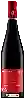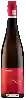
Winery Alde GottSpätburgunder Weissherbst Kabinett Lieblich
 Sweet wine


This wine generally goes well with poultry, beef or veal.
Food and wine pairings with Spätburgunder Weissherbst Kabinett Lieblich
Pairings that work perfectly with Spätburgunder Weissherbst Kabinett Lieblich



Original food and wine pairings with Spätburgunder Weissherbst Kabinett Lieblich

The Spätburgunder Weissherbst Kabinett Lieblich of Winery Alde Gott matches generally quite well with dishes of beef, veal or game (deer, venison) such as recipes of shoulder of suckling lamb confit with herbs, veal shoulder with cream and tarragon or rabbit on the barbecue.
Details and technical informations about Winery Alde Gott's Spätburgunder Weissherbst Kabinett Lieblich.
Discover the grape variety: Completer
Very old vine cultivated in Switzerland (canton of Grisons) where writings relating its presence were found in Malans dating from 1321, its origin would however be Italian. It is related to the white humagne, the bondola bianca, the bondoletta, the marzemino and the lafnetscha its mother. It should be noted that the Completer is today little multiplied in Switzerland, almost unknown in France and even less in the other wine-producing countries.
Last vintages of this wine
The best vintages of Spätburgunder Weissherbst Kabinett Lieblich from Winery Alde Gott are 2018, 0
Informations about the Winery Alde Gott
The Winery Alde Gott is one of of the world's great estates. It offers 80 wines for sale in the of Baden to come and discover on site or to buy online.

The wine region of Baden
Baden is the southernmost of Germany's 13 official wine regions. It is also the warmest. Its relatively sunny, DryClimate permits the production of good-quality Spätburgunder (Pinot Noir) and ripe, relatively Full-bodied">Full-bodied examples of Grauburgunder (Pinot Gris) and Weissburgunder (Pinot Blanc). These are often made in oaked styles.
The word of the wine: Bleeding
Old practice for red wines. As soon as the vat is filled with grapes, the tap is opened. A sweet but clear juice escapes from the vat (it can also be used to make rosé). The colour and density of the juice is enhanced, but it should not be overdone. Rarely more than 10% of the volume of a vat, otherwise you risk losing fruit and bringing in bitterness.