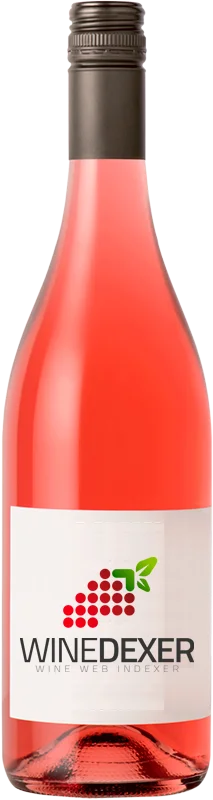
Winery AlboradaRosé Syrah
 Pink wine



This wine generally goes well with beef, lamb or mature and hard cheese.
Food and wine pairings with Rosé Syrah
Pairings that work perfectly with Rosé Syrah



Original food and wine pairings with Rosé Syrah

The Rosé Syrah of Winery Alborada matches generally quite well with dishes of beef, lamb or spicy food such as recipes of beef miroton, leg of lamb with garlic and rosemary or fish and shrimp curry.
Details and technical informations about Winery Alborada's Rosé Syrah.
Discover the grape variety: Orion
Interspecific crossing between the optima and the white Villard obtained in 1964 and in Germany by Gerhardt Erich Allweldt (1927-2005). It can be found in Germany, Denmark, the Netherlands, Switzerland, Sweden, Russia, ... not or little known in France.
Last vintages of this wine
The best vintages of Rosé Syrah from Winery Alborada are 2013, 2014, 2018, 2017 and 0.
Informations about the Winery Alborada
The Winery Alborada is one of of the world's greatest estates. It offers 9 wines for sale in the of Central Valley to come and discover on site or to buy online.

The wine region of Central Valley
The Central Valley (El Valle Central) of Chile is one of the most important wine-producing areas in South America in terms of Volume. It is also one of the largest wine regions, stretching from the Maipo Valley (just south of Santiago) to the southern end of the Maule Valley. This is a distance of almost 250 miles (400km) and covers a number of Climate types. The Central Valley wine region is easily (and often) confused with the geological Central Valley, which runs north–south for more than 620 miles (1000km) between the Pacific Coastal Ranges and the lower Andes.
The word of the wine: Noble rot
A fungus called botrytis cinerea that develops during the over-ripening phase, an ally of great sweet white wines, when it concentrates the juice of the berries. It requires the humidity of morning fogs and beautiful sunny days, gives musts very rich in sugar and brings to the wines the famous taste of "roasted".