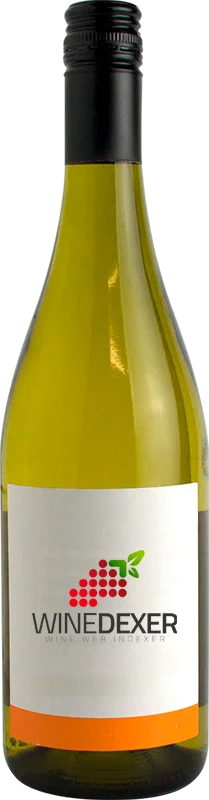
Winery Alberto CarloRiserva Vermut Extra Dry
 Natural sweet wine



This wine generally goes well with sweet desserts

Food and wine pairings with Riserva Vermut Extra Dry
Pairings that work perfectly with Riserva Vermut Extra Dry

Original food and wine pairings with Riserva Vermut Extra Dry
The Riserva Vermut Extra Dry of Winery Alberto Carlo matches generally quite well with dishes of sweet desserts such as recipes of king's cake with frangipane.
Details and technical informations about Winery Alberto Carlo's Riserva Vermut Extra Dry.
Discover the grape variety: Irsay Oliver
Aromatic and fruity dry and semi-dry whites, pale golden colour, supple mouth with preserved acidity, with intense muscat signature aromas (rose, white flowers), peach, citrus and exotic notes. For early drinking. Early-ripening. Grown in Hungary, Slovakia and the Czech Republic for immediately enjoyable aromatic whites. Hungarian white grape (Irsai Olivér), bred in 1930 (Pozsonyi Fehér x Pearl of Csaba).
Last vintages of this wine
The best vintages of Riserva Vermut Extra Dry from Winery Alberto Carlo are 0
Informations about the Winery Alberto Carlo
The Winery Alberto Carlo is one of of the world's greatest estates. It offers 2 wines for sale in the of Piedmont to come and discover on site or to buy online.

The wine region of Piedmont
Kingdom of Nebbiolo: Barolo and Barbaresco DOCG, long-ageing reds with firm tannins and lively acidity, complex aromas of withered rose, sour cherry, tar, truffle and undergrowth. More accessible, tangy Barbera on red fruit, supple, crisp Dolcetto. Sweet, floral sparkling Moscato d'Asti, mineral, lemony Gavi (Cortese) white, round, almondy Arneis from Roero. 50,000 ha across the Langhe, Roero and Monferrato, UNESCO.
The word of the wine: Chai
Place where the wine-making process takes place.