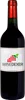
Winery Agricola ParadisoRoćolo Sangiovese
 Red wine
In the mouth this red wine is a powerful with a nice balance between acidity and tannins.
This wine generally goes well with poultry, beef or veal.
Taste structure of the Roćolo Sangiovese from the Winery Agricola Paradiso
Light | Bold | |
Smooth | Tannic | |
Dry | Sweet | |
Soft | Acidic |
In the mouth the Roćolo Sangiovese of Winery Agricola Paradiso in the region of Umbria is a powerful with a nice balance between acidity and tannins.
Food and wine pairings with Roćolo Sangiovese
Pairings that work perfectly with Roćolo Sangiovese



Original food and wine pairings with Roćolo Sangiovese

The Roćolo Sangiovese of Winery Agricola Paradiso matches generally quite well with dishes of beef, pasta or veal such as recipes of pastasciutta (corsica), spinach, smoked salmon and ricotta lasagne or oriental stuffed vegetables.
Details and technical informations about Winery Agricola Paradiso's Roćolo Sangiovese.
Discover the grape variety: Sangiovese
Originally from Italy, it is the famous Sangiovese of Tuscany producing the famous wines of Brunello de Montalcino and Chianti. This variety is registered in the Official Catalogue of Wine Grape Varieties, list A1. According to recent genetic analysis, it is the result of a natural cross between the almost unknown Calabrese di Montenuovo (mother) and Ciliegiolo (father).
Informations about the Winery Agricola Paradiso
The Winery Agricola Paradiso is one of of the world's greatest estates. It offers 1 wines for sale in the of Umbria to come and discover on site or to buy online.

The wine region of Umbria
Umbria, in CentralItaly, is a region of lush hills, hilltop villages and iconic historic towns. The latter are exemplified by Orvieto and Assisi. At the very heart of the Italian peninsula, it is surrounded by Tuscany, Marche and Lazio. It is in fact the only Italian region without a coastline or international border.
The word of the wine: Barrel
A wooden barrel made of oak that varies in size depending on the region and is used to age wines. Some white wines are vinified and aged in barrels.