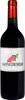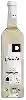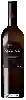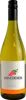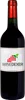
Winery AbioAbiobeltza Bizkaiko Txakolina
 wine
wine
This wine generally goes well with
The Abiobeltza Bizkaiko Txakolina of the Winery Abio is in the top 0 of wines of Bizkaiko Txakolina.
Details and technical informations about Winery Abio's Abiobeltza Bizkaiko Txakolina.
Discover the grape variety: Camaraou
It has been cultivated for a long time in Bearn and in the Jurançonnais. Today, it is very little multiplied and therefore in danger of disappearing. Published genetic analyses have made it possible to discover that it is related to one or more grape varieties, including Savagnin. For more information, click here!
Informations about the Winery Abio
The Winery Abio is one of of the world's greatest estates. It offers 4 wines for sale in the of Bizkaiko Txakolina to come and discover on site or to buy online.

The wine region of Bizkaiko Txakolina
The wine region of Bizkaiko Txakolina is located in the region of El Pais Vasco of Spain. Wineries and vineyards like the Domaine Gorka Izagirre or the Domaine Gorka Izagirre produce mainly wines white, red and sweet. The most planted grape varieties in the region of Bizkaiko Txakolina are Petit Manseng, Riesling and Petit Courbu, they are then used in wines in blends or as a single variety. On the nose of Bizkaiko Txakolina often reveals types of flavors of pineapple, straw or dried fruit and sometimes also flavors of black fruit, red fruit or green almond.
The wine region of El Pais Vasco
El Pais Vasco (officially La Comunidad Autonoma del País Vasco) is a fiercely independent region on the northern coast of Spain, near the Pyrenees and the border with France. In Basque, the region is called Euskadi, but to most English speakers it is referred to as the Basque Country. The Cantabrian Mountains form its western boundary, while the famous wine region of La RiojaLies to the South. Despite this, the region is not Particularly well known for its wine, although a group of determined producers have Long fought for recognition.
The word of the wine: Liquid
Sweet wine containing more than 50 grams of residual sugar per liter. Sweet wines are made from grapes often affected by botrytis cinerea and concentrated either by passerillage (drying of the grapes on the vine stock), or after the harvest (straw wines), or by the cold (ice wines).