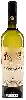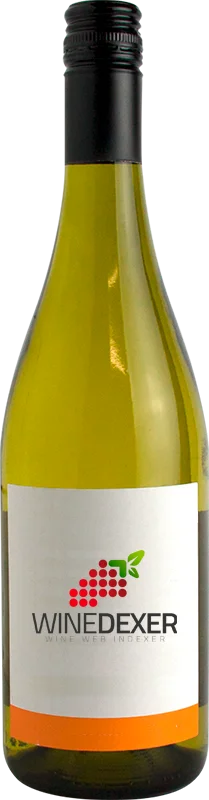
Winery ZorestiPremiat Sauvignon Blanc Demisec
 White wine



This wine generally goes well with vegetarian, rich fish (salmon, tuna etc) or shellfish.

Food and wine pairings with Premiat Sauvignon Blanc Demisec
Pairings that work perfectly with Premiat Sauvignon Blanc Demisec



Original food and wine pairings with Premiat Sauvignon Blanc Demisec
The Premiat Sauvignon Blanc Demisec of Winery Zoresti matches generally quite well with dishes of rich fish (salmon, tuna etc), shellfish or vegetarian such as recipes of salmon in brick pastry, cataplana with seafood or zucchini and goat cheese quiche.
Details and technical informations about Winery Zoresti's Premiat Sauvignon Blanc Demisec.
Discover the grape variety: Sangiovese
Firm, upright reds with precise acidity and angular tannins, showing aromas of sour cherry, plum, dried herbs, leather, black tea and balsamic notes. Characteristically bitter, savoury finish. Star of Chianti Classico DOCG, Brunello di Montalcino DOCG, Vino Nobile di Montepulciano DOCG and Morellino di Scansano. Italy's most planted variety, a descendant of Ciliegiolo × Calabrese di Montenuovo.
Last vintages of this wine
The best vintages of Premiat Sauvignon Blanc Demisec from Winery Zoresti are 0
Informations about the Winery Zoresti
The Winery Zoresti is one of of the world's great estates. It offers 41 wines for sale in the of Dealu Mare to come and discover on site or to buy online.

The wine region of Dealu Mare
Romania's most compact wine massif, south of the Carpathians on the 45th parallel (like Bordeaux). Signature Feteasca Neagra in red: a dense, structured Romanian native with signature notes of ripe plum, blackberry, violet, leather, tobacco and sweet spice, round tannins — a national identity. Also Bordeaux blends (firm Cabernet Sauvignon, supple Merlot) and fresh Pinot Noir. Peppery Syrah booming.
The word of the wine: Residual sugars
Sugars not transformed into alcohol and naturally present in the wine. The perception of residual sugars is conditioned by the acidity of the wine. The more acidic the wine is, the less sweet it will seem, given the same amount of sugar.