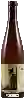
Winery Zehnthof LuckertSonnenberg Frühburgunder
 Red wine


This wine generally goes well with

Details and technical informations about Winery Zehnthof Luckert's Sonnenberg Frühburgunder.
Discover the grape variety: Pardillo
Simple, fresh dry whites with a pale golden robe, a supple palate and moderate acidity, with unassuming aromas of citrus (lemon), white flowers and continental herbal notes. A refreshing, heat-resistant Castilian profile. A traditional component of La Mancha DO and Méntrida DO whites, also used in modern Spanish distillates and mistelles. Native Spanish white grape, mainly grown in Castilla-La Mancha and central Spain.
Last vintages of this wine
The best vintages of Sonnenberg Frühburgunder from Winery Zehnthof Luckert are 0
Informations about the Winery Zehnthof Luckert
The Winery Zehnthof Luckert is one of of the world's great estates. It offers 37 wines for sale in the of Franken to come and discover on site or to buy online.

The wine region of Franken
Homeland of German Silvaner: dry, straight, mineral and lively whites with notes of green apple, citrus, fresh herbs and a saline touch, planted here for over 350 years (1,500 ha, a quarter of the vineyard). Also supple, floral Müller-Thurgau, taut Riesling, aromatic Bacchus. Some discreet reds (Spätburgunder). 6,040 ha in Bavaria along the Main around Würzburg, red sandstone and shell-limestone soils.
The word of the wine: Foxé
An animal odor found in certain reduced or old wines, which are also said to fox, in reference to the fox.