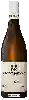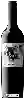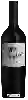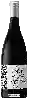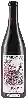
Winery Zebra ViewMalbec
 Red wine



In the mouth this red wine is a powerful.
This wine generally goes well with poultry, beef or lamb.

Taste structure of the Malbec from the Winery Zebra View
Light | Bold | |
Smooth | Tannic | |
Dry | Sweet | |
Soft | Acidic |
In the mouth the Malbec of Winery Zebra View in the region of Western Cape is a powerful.
Wine flavors and olphactive analysis

On the nose the Malbec of Winery Zebra View in the region of Western Cape often reveals types of flavors of black fruit.
Food and wine pairings with Malbec
Pairings that work perfectly with Malbec



Original food and wine pairings with Malbec
The Malbec of Winery Zebra View matches generally quite well with dishes of beef, lamb or poultry such as recipes of greek moussaka, leg of lamb in butterfly (barbecue) or moroccan chicken tagine.
Details and technical informations about Winery Zebra View's Malbec.
Discover the grape variety: Malbec
Deep, velvety reds with an intense purple colour, showing aromas of blackberry, black plum, violet, cocoa and gentle spice. Round tannins, fleshy palate, peppery length. Star of Cahors AOC (Côt, Auxerrois) in France and the absolute signature of Mendoza, Argentina (Uco Valley, Luján de Cuyo). A French South-West variety that became the Argentine emblem after its post-phylloxera decline.
Last vintages of this wine
The best vintages of Malbec from Winery Zebra View are 0, 2015
Informations about the Winery Zebra View
The Winery Zebra View is one of of the world's greatest estates. It offers 5 wines for sale in the of Western Cape to come and discover on site or to buy online.

The wine region of Western Cape
Cradle of South African wine. Signature Chenin Blanc (Steen, 20%) in ample, fresh whites with notes of quince, yellow apple, honey and acacia flower, from crisp dry to sweet. Sharp, iodised Sauvignon Blanc (Walker Bay, Constantia), balanced Chardonnay. Reds: emblematic Pinotage with roasted aromas (coffee, plum, smoke), firm Cabernet Sauvignon, spicy Syrah.
The word of the wine: Petiole
Stem of the leaf, connecting the leaf blade to the stem.