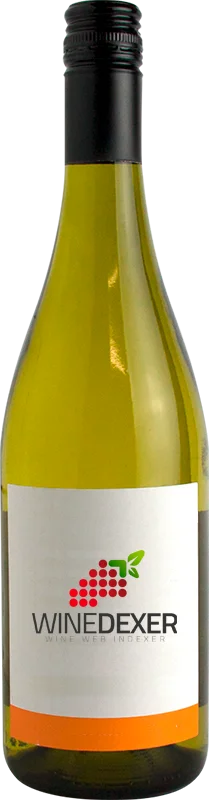
Winery Zé da LeonorBranco
 White wine



In the mouth this white wine is a powerful.
This wine generally goes well with pork, lean fish or shellfish.
Taste structure of the Branco from the Winery Zé da Leonor
Light | Bold | |
Dry | Sweet | |
Soft | Acidic |
In the mouth the Branco of Winery Zé da Leonor in the region of Tejo is a powerful.
Food and wine pairings with Branco
Pairings that work perfectly with Branco



Original food and wine pairings with Branco

The Branco of Winery Zé da Leonor matches generally quite well with dishes of pasta, pork or shellfish such as recipes of salmon and spinach lasagna, ham and cheese cake or mussels spanish style.
Details and technical informations about Winery Zé da Leonor's Branco.
Discover the grape variety: Guillemot
Most certainly from Béarn. It should not be confused with the blancard - or palougue - because they both have the same synonym coer de baco. The Guillemot is practically no longer present in the vineyard and is therefore on the verge of extinction. According to published genetic analyses, it is the result of a natural cross between the Manseng Noir and the Verjuice. For more information on other relatives, click here !
Last vintages of this wine
The best vintages of Branco from Winery Zé da Leonor are 0
Informations about the Winery Zé da Leonor
The Winery Zé da Leonor is one of of the world's greatest estates. It offers 7 wines for sale in the of Tejo to come and discover on site or to buy online.

The wine region of Tejo
Tejo is a wine region in CentralPortugal which covers the same area as the Ribatejo province, just inland from the major city of Lisbon. The wine appellation's name was changed from Ribatejo in 2009. The entire region may use the Tejo VR (Vinho Regional) designation, similar to the French IGP/Vin de Pays, while some areas produce wines labeled with the higher-level Do Tejo DOC (Denominação de Origem Controlada). A Warm, Dry area, it is also Portugal's only landlocked region – although it is influenced considerably by the Tejo river.
The word of the wine: Acescence
An alteration in wine also known as pitting (hence the expression piqué wine), due to the presence of acetic acid and ethyl acetate, and characterized by a vinegar-like odor.