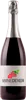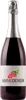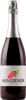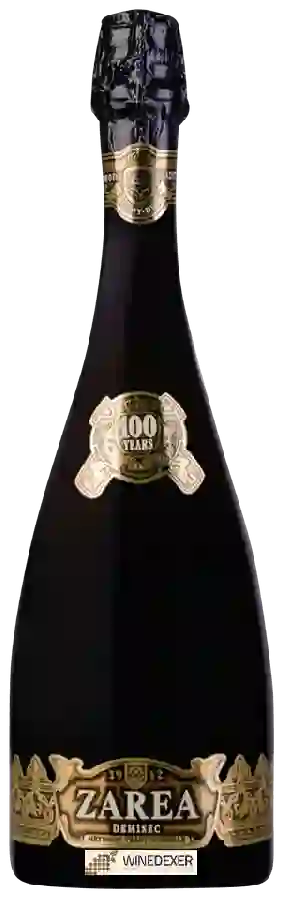
Winery ZareaDemisec
 Sparkling wine



This wine generally goes well with
The Demisec of the Winery Zarea is in the top 60 of wines of Tarnave.
Wine flavors and olphactive analysis

Details and technical informations about Winery Zarea's Demisec.
Discover the grape variety: Onchette
A very old grape variety that was once grown on the left bank of the Drac Valley in the south of the Isère department - Cordéac, Saint Jean d'Hérans, Saint Baudille et Pipet, ... -. Virtually unknown in other French wine-growing regions, it is very little propagated today, although it is registered in the Official Catalogue of wine grape varieties, list A1. According to Thierry Lacombe (I.N.R.A./Montpellier), it is the result of a natural intraspecific cross between the white gouais and the chatus, as is also the serenèze of Voreppe.
Last vintages of this wine
The best vintages of Demisec from Winery Zarea are 0
Informations about the Winery Zarea
The Winery Zarea is one of of the world's greatest estates. It offers 30 wines for sale in the of Tarnave to come and discover on site or to buy online.

The wine region of Tarnave
The wine region of Tarnave is located in the region of Transylvania of Romania. Wineries and vineyards like the Domaine Jidvei or the Domaine Jidvei produce mainly wines sparkling, white and sweet. The most planted grape varieties in the region of Tarnave are Pinot noir, Chardonnay and Riesling, they are then used in wines in blends or as a single variety. On the nose of Tarnave often reveals types of flavors of citrus, microbio or vegetal and sometimes also flavors of citrus fruit, grapefruit or apricot.
The wine region of Transylvania
Romania is located at the geographical crossroads between Central and South-Eastern Europe. The Romanian wine industry uses a wide range of indigenous and international red and white Grape varieties. Both vinifera and American grape species are present here, as well as a number of hybrids. The latter are chosen for their resistance to varying Climates.
The word of the wine: Flavours
There are generally four so-called fundamental flavours: acidity, bitterness, sweetness and saltiness. The first three are considered to be the building blocks of the structure of wines. They are perceived by the taste buds that cover the surface of the tongue.