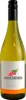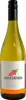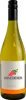
Winery ZapletalHibernal Výběr z Hroznů
 White wine
This wine generally goes well with
Details and technical informations about Winery Zapletal's Hibernal Výběr z Hroznů.
Discover the grape variety: Troyen
An old grape variety from the Aube and Yonne departments, it was also found in the Meuse, Vosges and Moselle. It is the result of a natural intraspecific crossing between pinot noir and gouais blanc. Today, the Troyen is practically no longer multiplied.
Informations about the Winery Zapletal
The Winery Zapletal is one of of the world's great estates. It offers 30 wines for sale in the of Morava to come and discover on site or to buy online.

The wine region of Morava
Moravia, with roughly 95 percent of the nation's Vine plantings, is the engine room of the Czech Republic's wine industry. The Center of intensively farmed bulk-wine production is also showing great promise as a producer of quality white wines. This is largely thanks to its cool Climate, comparable in many ways to that in Nahe or Pfalz, the white-wine specialists a few hundred miles west in Germany. Moravian winelands enjoy a Vineyard year well suited to the production of Complex aromatics with good Acidity.
The word of the wine: Hard
A harsh, biting wine, characterized by an excess of tannins and acidity. It is often said of young wines that lack smoothness.