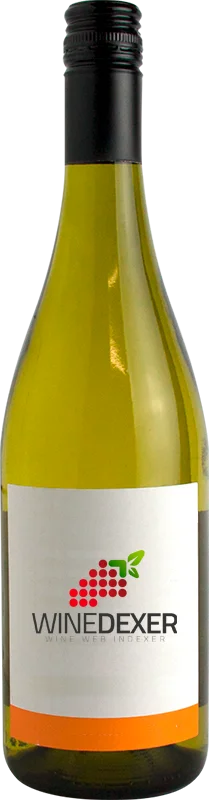
Winery Yves Girard-MadouxChignin-Bergeron
 White wine



This wine generally goes well with
The Chignin-Bergeron of the Winery Yves Girard-Madoux is in the top 30 of wines of Savoie.

Wine flavors and olphactive analysis



On the nose the Chignin-Bergeron of Winery Yves Girard-Madoux in the region of Savoie often reveals types of flavors of cheese, earth or microbio and sometimes also flavors of tree fruit, citrus fruit.
Details and technical informations about Winery Yves Girard-Madoux's Chignin-Bergeron.
Discover the grape variety: Roussanne
Aromatic and elegant whites, rich yet lifted by fine freshness, with hawthorn, honeysuckle, apricot, pear, honey, green tea, mineral and herbal notes. Fine ageing potential. Key variety in the great whites of the northern Rhône (Hermitage, Crozes-Hermitage, Saint-Joseph, Saint-Péray) blended with marsanne, and one of the 13 permitted grapes at Châteauneuf-du-Pape. Native Rhône variety.
Last vintages of this wine
The best vintages of Chignin-Bergeron from Winery Yves Girard-Madoux are 2017, 2018, 2016, 2013 and 2015.
Informations about the Winery Yves Girard-Madoux
The Winery Yves Girard-Madoux is one of of the world's greatest estates. It offers 15 wines for sale in the of Savoie to come and discover on site or to buy online.

The wine region of Savoie
French Alpine vineyard with unique native grapes. Signature Jacquère in whites (~50% of the vineyard): lively, light dry wines with white flowers, green apple, citrus, fresh almond and a mineral touch, perfect with fondue and raclette. Ampler Altesse (Roussette) (pear, honey, hazelnut). Fruity, peppery Mondeuse reds (cherry, violet, firm tannins), light Gamay and fine Pinot Noir.
The word of the wine: Lactic (acid)
Acid obtained by malolactic fermentation.