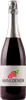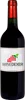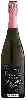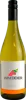
Winery YearlstoneNumber 3
 wine
wine
This wine generally goes well with
The Number 3 of the Winery Yearlstone is in the top 0 of wines of Devon.

Details and technical informations about Winery Yearlstone's Number 3.
Discover the grape variety: Pinot Nero
Elegant and structured reds with a clear ruby robe, fine tannins and fresh alpine acidity, with refined aromas of red fruits (cherry, raspberry, strawberry), undergrowth, mushroom, soft spices and floral notes. Also a pillar of great Italian sparkling wines by the classic method. Star of Alto Adige Pinot Nero DOC, Oltrepò Pavese DOCG, Trentino DOC and Franciacorta DOCG. The Italian synonym for Burgundy's Pinot Noir, signature of northern Italian finesse.
Informations about the Winery Yearlstone
The Winery Yearlstone is one of of the world's greatest estates. It offers 6 wines for sale in the of Devon to come and discover on site or to buy online.

The wine region of Devon
County of south-west England along a 20 km coastal strip between Lyme Regis and Torquay, temperate oceanic climate warmed by the Gulf Stream. Signature traditional-method sparkling wines: Chardonnay, Pinot Noir and Pinot Meunier with fine bubbles of green apple, lemon, white flowers, brioche and chalky notes. Signature Bacchus in still whites (Sauvignon-like, elderflower, citrus, lively). Madeleine Angevine, Seyval Blanc and Solaris for hybrid whites.
The wine region of England
Quality renaissance of English wine, signature in traditional-method sparklers. On chalk soils identical to Champagne's (South-East), fine, taut bubbles with signature notes of green apple, lemon, white flowers, brioche and chalk, the vivid acidity of a cool climate. Based on Chardonnay, Pinot Noir and Meunier. Still wines a minority: aromatic Bacchus (elderflower, cut grass — the English identity), fresh Pinot Noir.
The word of the wine: Muscat blanc à petits grains
A white grape variety cultivated since antiquity on the shores of the Mediterranean, it is considered the noblest of the muscats. It is mainly used to make sweet wines, often from mutage. In France, it is the sole variety used in many natural sweet wines: muscat-de-frontignan, muscat-de-mireval, muscat-de-lunel, muscat-de-saint-jean-de-minervois, muscat-de-beaumes-de-venise, muscat-du-cap-corse. Combined with Muscat d'Alexandrie, it gives Muscat-de-Rivesaltes. It is also used to make sparkling white wines (clairette-de-die; moscato d'asti and asti spumante in Italy) and dry wines (alsace-muscat). Powerfully aromatic and complex, its wines evoke fresh grapes, roses, exotic fruits, citrus fruits and spices.