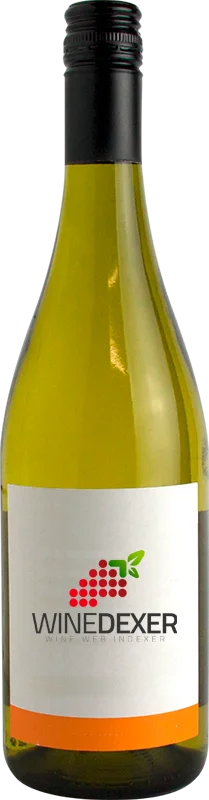
Winery Wohlgemuth SchnurrHausmarke Lieblich
 White wine



This wine generally goes well with

Details and technical informations about Winery Wohlgemuth Schnurr's Hausmarke Lieblich.
Discover the grape variety: Hölder
Aromatic, lively whites to drink young, with a pale golden colour, an airy palate with preserved acidity, and signature aromas of citrus (lemon), white flowers, green apple and mineral notes close to Riesling. Distinctive aromatic profile. Grown on a few hectares in Franconia, it remains confidential and is used for typical dry whites. A German white variety bred in 1936 in Würzburg (Riesling × Silvaner), late-ripening.
Last vintages of this wine
The best vintages of Hausmarke Lieblich from Winery Wohlgemuth Schnurr are 0
Informations about the Winery Wohlgemuth Schnurr
The Winery Wohlgemuth Schnurr is one of of the world's greatest estates. It offers 50 wines for sale in the of Rheinhessen to come and discover on site or to buy online.

The wine region of Rheinhessen
71% white region: Riesling is king (5,000 ha), dry to off-dry, ripe yellow fruit, apple, citrus and fine saline minerality. Supple, floral Müller-Thurgau for everyday, the world's largest Silvaner plantation with herbaceous, straight notes. Historic cradle of off-sweet Liebfraumilch. Some supple reds (Dornfelder, Spätburgunder).
The word of the wine: Village
Term used in certain regions to identify a particular sector within a larger appellation (Beaujolais, Côtes-du-Rhône).