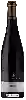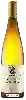
Winery Weinhaus am ZollhafenDegenhardt Weissburgunder
 White wine



In the mouth this white wine is a with a nice freshness.
This wine generally goes well with rich fish (salmon, tuna etc), shellfish or mild and soft cheese.

Taste structure of the Degenhardt Weissburgunder from the Winery Weinhaus am Zollhafen
Light | Bold | |
Dry | Sweet | |
Soft | Acidic |
In the mouth the Degenhardt Weissburgunder of Winery Weinhaus am Zollhafen in the region of Nahe is a with a nice freshness.
Food and wine pairings with Degenhardt Weissburgunder
Pairings that work perfectly with Degenhardt Weissburgunder


Original food and wine pairings with Degenhardt Weissburgunder

The Degenhardt Weissburgunder of Winery Weinhaus am Zollhafen matches generally quite well with dishes of rich fish (salmon, tuna etc), shellfish or mild and soft cheese such as recipes of salmon and zucchini gratin, fish and shrimp wok with curry or baked mozzarella tomatoes.
Details and technical informations about Winery Weinhaus am Zollhafen's Degenhardt Weissburgunder.
Discover the grape variety: Brayades
Light, simple fruity reds with a clear ruby robe, soft tannins, an airy palate and moderate acidity; unassuming aromas of southern red fruits. Discreet, rustic style. Almost gone from commercial cultivation, preserved in INRAE varietal collections, it testifies to the pre-phylloxera ampelographic diversity of the southern vineyards. Rare French black grape, formerly cultivated in the South.
Last vintages of this wine
The best vintages of Degenhardt Weissburgunder from Winery Weinhaus am Zollhafen are 0, 2020
Informations about the Winery Weinhaus am Zollhafen
The Winery Weinhaus am Zollhafen is one of of the world's greatest estates. It offers 4 wines for sale in the of Nahe to come and discover on site or to buy online.

The wine region of Nahe
Homeland of a mineral Riesling of exceptional geological expression: lively, precise whites with notes of peach, citrus, green apple, gunflint and fine salinity, from taut dry to botrytised sweet. 75% whites, Riesling king (27%) complemented by round Pinot Gris and supple Pinot Blanc. Rising reds: silky Spätburgunder with red fruit, darker Dornfelder. 4,240 ha along the Nahe river, among the most diverse soils in Germany (180 formations).
The word of the wine: Table wine
A category of wine with no geographical indication on the label, often resulting from blends between wines from different vineyards in France or the EU. These wines are now called "wines without geographical indication" (and "French wines" if they come from the national territory).