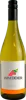
Winery Weinhaus am ZollhafenDegenhardt Grauburgunder
 White wine



In the mouth this white wine is a .
This wine generally goes well with pork, cured meat or mushrooms.

Taste structure of the Degenhardt Grauburgunder from the Winery Weinhaus am Zollhafen
Light | Bold | |
Dry | Sweet | |
Soft | Acidic |
In the mouth the Degenhardt Grauburgunder of Winery Weinhaus am Zollhafen in the region of Nahe is a .
Food and wine pairings with Degenhardt Grauburgunder
Pairings that work perfectly with Degenhardt Grauburgunder


Original food and wine pairings with Degenhardt Grauburgunder

The Degenhardt Grauburgunder of Winery Weinhaus am Zollhafen matches generally quite well with dishes of pork, spicy food or mushrooms such as recipes of blue cord, couscous without couscous maker or quenelle with bechamel sauce and mushroom.
Details and technical informations about Winery Weinhaus am Zollhafen's Degenhardt Grauburgunder.
Discover the grape variety: Lambrusco
Lively, fruity lightly sparkling reds with an intense ruby robe and rosy foam, smooth tannins and a gulping palate of signature red fruits (strawberry, raspberry, cherry), violet, plum and floral notes. A festive and thirst-quenching profile available dry, off-dry and sweet. Stars of Lambrusco di Sorbara DOC, Grasparossa di Castelvetro DOC and Salamino di Santa Croce DOC. Family of native Italian grapes from Emilia-Romagna.
Last vintages of this wine
The best vintages of Degenhardt Grauburgunder from Winery Weinhaus am Zollhafen are 0
Informations about the Winery Weinhaus am Zollhafen
The Winery Weinhaus am Zollhafen is one of of the world's greatest estates. It offers 4 wines for sale in the of Nahe to come and discover on site or to buy online.

The wine region of Nahe
Homeland of a mineral Riesling of exceptional geological expression: lively, precise whites with notes of peach, citrus, green apple, gunflint and fine salinity, from taut dry to botrytised sweet. 75% whites, Riesling king (27%) complemented by round Pinot Gris and supple Pinot Blanc. Rising reds: silky Spätburgunder with red fruit, darker Dornfelder. 4,240 ha along the Nahe river, among the most diverse soils in Germany (180 formations).
The word of the wine: Silky
Said of a caressing wine with extremely fine tannins.