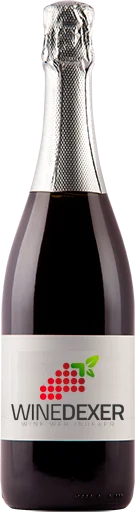
Weingut WeissFrizzante
 Sparkling wine



This wine generally goes well with

Wine flavors and olphactive analysis

On the nose the Frizzante of Weingut Weiss in the region of Weinland often reveals types of flavors of citrus fruit.
Details and technical informations about Weingut Weiss's Frizzante.
Discover the grape variety: Torrontés
Highly aromatic, floral whites best drunk young; pale golden hue, ample body with fresh acidity; intense signature aromas of rose, jasmine, peach, apricot and citrus (lemon). Fragrant Andean profile. Undisputed star of Argentine whites, especially at high Andean altitudes, notably in the Cafayate valley in Salta. Argentina's emblematic white grape, a cross of Muscat × Criolla Chica.
Last vintages of this wine
The best vintages of Frizzante from Weingut Weiss are 2018, 0, 2013
Informations about the Weingut Weiss
The Weingut Weiss is one of of the world's greatest estates. It offers 8 wines for sale in the of Burgenland to come and discover on site or to buy online.

The wine region of Burgenland
Cradle of great Austrian reds. Signature Blaufränkisch: structured, spicy reds with black fruits (blackberry, black cherry), firm tannins and lively acidity, mineral profile. More supple Zweigelt on red fruit. Lively Welschriesling, peppery Grüner Veltliner, round Chardonnay whites.
The wine region of Weinland
Vast German-speaking region in north-eastern Switzerland, the country's largest production area. Signature Pinot Noir (Blauburgunder): fine, fresh reds with notes of cherry, raspberry, undergrowth and sweet spices, silky tannins. Elegant, delicate style, often barrel-aged. Also light, floral Müller-Thurgau (Riesling-Sylvaner), lively, lemony native Räuschling, ample Pinot Gris.
The word of the wine: White winemaking
White wines are obtained by fermentation of the juice after pressing. A pre-fermentation maceration is sometimes practiced to extract the aromatic substances from the skins. White wines are normally made from white grapes, but can also be made from red grapes (blanc de noirs). The grapes are then pressed as soon as they arrive at the vat house without maceration in order to prevent the colouring matter contained in the skins from "staining" the wine.


