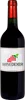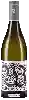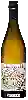
Weingut SommerHambacher Sauvignon Blanc
 White wine


In the mouth this white wine is a with a nice freshness.
This wine generally goes well with vegetarian, shellfish or goat cheese.

Taste structure of the Hambacher Sauvignon Blanc from the Weingut Sommer
Light | Bold | |
Dry | Sweet | |
Soft | Acidic |
In the mouth the Hambacher Sauvignon Blanc of Weingut Sommer in the region of Pfalz is a with a nice freshness.
Food and wine pairings with Hambacher Sauvignon Blanc
Pairings that work perfectly with Hambacher Sauvignon Blanc


Original food and wine pairings with Hambacher Sauvignon Blanc
The Hambacher Sauvignon Blanc of Weingut Sommer matches generally quite well with dishes of shellfish, vegetarian or goat cheese such as recipes of shrimp risotto with curry, mushroom, bacon and gruyere quiche or breaded cheese plate.
Details and technical informations about Weingut Sommer's Hambacher Sauvignon Blanc.
Discover the grape variety: Bondola noire
Light and rustic reds with a clear ruby colour, silky tannins and an airy palate with preserved acidity, featuring signature aromas of cherry, alpine herbs and rustic Ticinese notes. Drink-young profile. Preserved by a few winegrowers attached to traditional Ticinese and alpine viticulture, it bears witness to an alpine ampelographic heritage. Autochthonous black grape from Ticino, grown almost exclusively in Ticino (Italian-speaking Switzerland).
Last vintages of this wine
The best vintages of Hambacher Sauvignon Blanc from Weingut Sommer are 0
Informations about the Weingut Sommer
The Weingut Sommer is one of of the world's greatest estates. It offers 28 wines for sale in the of Pfalz to come and discover on site or to buy online.

The wine region of Pfalz
Fleshy, dry, fruity Riesling is the region's signature: yellow peach, apricot, ripe citrus, lovely mineral tension. Germany's largest red-wine area (40%), with silky Spätburgunder showing red fruit and spice, darker structured Dornfelder, supple Portugieser. Some rounded Pinot Blanc and Pinot Gris. A 23,640 ha vineyard along the Haardt, among Germany's warmest (>2,000 h of sun).
The word of the wine: Phenolic ripeness
A distinction is made between the ripeness of sugars and acids and the ripeness of tannins and other compounds such as anthocyanins and tannins, which will bring structure and colour. Grapes can be measured at 13° potential without having reached this phenolic maturity. Vinified at this stage, they will give hard, astringent wines, without charm.