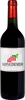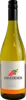
Weingut Schloss BockfliessGemischter Satz
 White wine



This wine generally goes well with
Details and technical informations about Weingut Schloss Bockfliess's Gemischter Satz.
Discover the grape variety: Olivette blanche
This variety is of unknown origin and is not related to the black olivette. The flowers of the Olivette blanche are physiologically female, which has led it to be cultivated very often in association with other varieties. Today, it is practically no longer multiplied, although it is registered in the Official Catalogue of vine varieties, list A1.
Last vintages of this wine
The best vintages of Gemischter Satz from Weingut Schloss Bockfliess are 2017, 2016, 0, 2019 and 2018.
Informations about the Weingut Schloss Bockfliess
The Weingut Schloss Bockfliess is one of of the world's greatest estates. It offers 17 wines for sale in the of Wiener Gemischter Satz to come and discover on site or to buy online.

The wine region of Wiener Gemischter Satz
The wine region of Wiener Gemischter Satz is located in the region of Wien of Weinland of Austria. Wineries and vineyards like the Domaine Wieninger or the Domaine Christ produce mainly wines white, red and pink. The most planted grape varieties in the region of Wiener Gemischter Satz are Riesling, Chardonnay and Pinot blanc, they are then used in wines in blends or as a single variety. On the nose of Wiener Gemischter Satz often reveals types of flavors of pineapple, oak or straw and sometimes also flavors of gooseberry, elderflower or yeast.
The wine region of Weinland
Weinviertel DAC – whose name translates as "wine quarter" – is an appellation in Niederösterreich (Lower Austria). It is by far the largest Districtus Austriae Controllatus wine region in Austria. It was also the first Austrian wine region to be given that title, in 2002, with a DAC Reserve designation added in 2009. The designation applies only to white wines from the Grüner Veltliner Grape variety.
The word of the wine: Basic wine
Dry, still wine intended for the production of sparkling wines (champagne, crémants, etc.). The basic wines undergo a second fermentation in the bottle for the production of carbon dioxide, and therefore of bubbles.