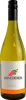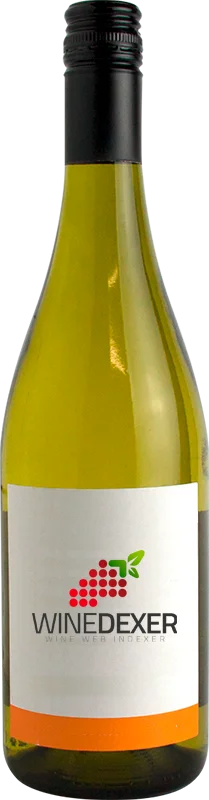
Weingut RohrNahegauer Landwein Riesling - Müller-Thurgau Trocken
 White wine
This wine is a blend of 2 varietals which are the Müller-Thurgau and the Riesling.
This wine generally goes well with pork, vegetarian or poultry.

Food and wine pairings with Nahegauer Landwein Riesling - Müller-Thurgau Trocken
Pairings that work perfectly with Nahegauer Landwein Riesling - Müller-Thurgau Trocken



Original food and wine pairings with Nahegauer Landwein Riesling - Müller-Thurgau Trocken



The Nahegauer Landwein Riesling - Müller-Thurgau Trocken of Weingut Rohr matches generally quite well with dishes of pork, rich fish (salmon, tuna etc) or spicy food such as recipes of pork chops with curry and honey, baked cod portuguese style or dal lentils with coconut milk.
Details and technical informations about Weingut Rohr's Nahegauer Landwein Riesling - Müller-Thurgau Trocken.
Discover the grape variety: Müller-Thurgau
Light, aromatic whites with a tender palate and moderate acidity, with muscat-like aromas of white flowers, apple, citrus, peach and honeyed notes. Made as easy dry whites, popular semi-dry wines and some sparkling cuvées. Widely planted in Germany (Rheinhessen, Baden), northern Italy (Alto Adige, Trentino), Austria, Switzerland, Hungary and Japan. Cross of riesling × madeleine royale created in 1882 by Hermann Müller in Geisenheim.
Informations about the Weingut Rohr
The Weingut Rohr is one of of the world's greatest estates. It offers 14 wines for sale in the of Nahe to come and discover on site or to buy online.

The wine region of Nahe
Homeland of a mineral Riesling of exceptional geological expression: lively, precise whites with notes of peach, citrus, green apple, gunflint and fine salinity, from taut dry to botrytised sweet. 75% whites, Riesling king (27%) complemented by round Pinot Gris and supple Pinot Blanc. Rising reds: silky Spätburgunder with red fruit, darker Dornfelder. 4,240 ha along the Nahe river, among the most diverse soils in Germany (180 formations).
The word of the wine: Effervescent
Any wine loaded with CO2 (carbon dioxide), which is revealed in the form of bubbles, reinforcing the freshness effect in the mouth. This gas production is the result of what is called the second fermentation in the bottle. It occurs in champagnes and sparkling wines such as crémants.